
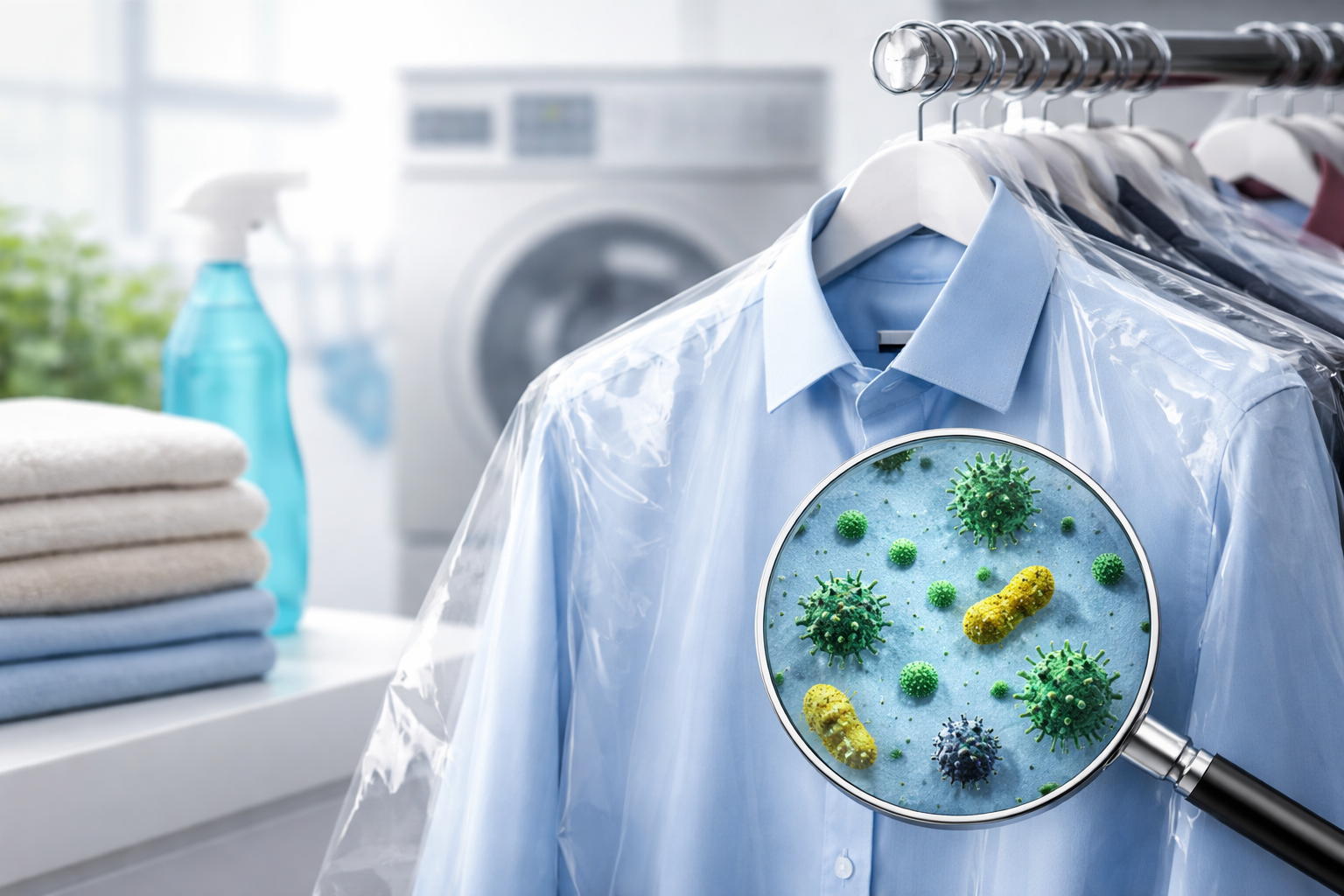
If you have ever asked, does dry cleaning remove bacteria, the honest answer is: it can reduce some bacteria, but it is not the same as guaranteed disinfection. Dry cleaning is very good at removing oils, soil, stains, and odors from delicate garments, but when hygiene is the top priority, traditional washing and full drying are often more dependable when the care label allows it. In essence, does dry cleaning remove bacteria completely? Not necessarily.
- Dry cleaning cleans with solvent, not water
Dry cleaning does not use water like a home washer. Instead, it uses specialized cleaning solvents to lift oils and stains from fabric. That is one reason dry cleaning is so effective for wool coats, structured suits, silk garments, and other items that can lose shape or texture in a regular wash.
- Dry cleaning can remove some bacteria, but it is not true sterilization
Many people assume dry cleaning completely kills germs. In reality, dry cleaning is primarily a cleaning process, not a medical-grade disinfection process. Because it removes soil, oils, and contamination from garments, it may lower bacterial load. However, it should not be treated as a guaranteed way to eliminate all bacteria or viruses from clothing.
When considering whether does dry cleaning remove bacteria effectively, it’s crucial to recognize that it doesn’t eliminate every germ. It functions as a cleaning method rather than a disinfecting one.
- Heat and finishing can help, but results vary
After cleaning, garments are often pressed, steamed, or finished with heat. That extra step may help reduce microbes further. Even so, the hygiene result depends on the fabric, the garment construction, the solvent or process used, and how heavily soiled the item was in the first place. That is why the answer to “does dry cleaning kill bacteria?” is usually some, yes — all, not necessarily.
Thus, the common question of does dry cleaning remove bacteria has a nuanced answer, as it may help reduce microbial presence but does not guarantee complete removal.
- Fabric type matters more than most people think
Not all fabrics hold moisture, oils, and bacteria in the same way. Delicate natural fibers and lined garments often need gentler care, which makes dry cleaning the safer choice for the life of the garment. But gentler care also means you should not assume the same hygienic result you might expect from detergent, agitation, and a full dryer cycle at home.
- Washing usually wins when hygiene is the main goal
When the care label allows it, washing with detergent and drying thoroughly is usually the better choice for hygiene-sensitive items such as everyday shirts, underlayers, children’s clothing, gym wear, and heavily perspired garments. CDC guidance notes that drying and especially ironing add significant microbiocidal action, and for contaminated laundry the warmest temperature recommended on the care label is generally advised.
- Dry cleaning is still the right choice for many garments
Dry cleaning remains the best option for many garments that should not be soaked, twisted, or machine washed. If you are caring for suits, wool trousers, dresses, coats, silk blouses, or items with structure and interlining, dry cleaning protects the fit and finish while still giving the garment a professional clean. Therefore, understanding does dry cleaning remove bacteria versus simply cleaning is key.
- Ask your cleaner about modern options
The dry cleaning industry is changing. Traditional perc-based cleaning is being phased out under EPA rules, and alternative processes such as newer solvents and professional wet cleaning are increasingly relevant. If you are especially concerned about bacteria, odors, skin sensitivity, or garment safety, ask your cleaner which process is best for the item instead of assuming every garment should be treated the same way.
So, does dry cleaning remove bacteria?
Yes, dry cleaning can remove some bacteria and contamination from clothes, especially by lifting away oils, dirt, and residues. But if your real question is whether dry cleaning fully disinfects clothes, the answer is not reliably enough to treat it as a substitute for proper laundering when the fabric can be washed. For delicate garments, dry cleaning is often the smartest care method. For hygiene-first garments, washing and drying usually offer a stronger result.
The question of does dry cleaning remove bacteria is often asked by those who prioritize hygiene in their clothing care.
Tips for keeping clothes cleaner between visits
- Clean garments promptly after heavy wear instead of leaving them in a pile.
- Store clean clothes in a dry, breathable area.
- Use garment bags only when appropriate, not for long-term moisture trapping.
- Wash washable base layers more often than outer layers.
- Tell your cleaner if an item has been exposed to heavy sweat, spills, or contamination so they can recommend the best treatment.
Frequently Asked Questions
Does dry cleaning kill germs on clothes?
Dry cleaning may reduce some germs, but it should not be treated as guaranteed disinfection. It is best viewed as a fabric-safe cleaning method for garments that cannot be washed normally.
Does dry cleaning disinfect clothes better than washing?
Not usually. When a garment can be washed safely, detergent plus proper drying is generally the better choice for hygiene.
What should I do if clothing was exposed to sweat, illness, or heavy contamination?
Start with the care label. If the garment is washable, washing and drying thoroughly is usually the better option. If it is dry-clean-only, tell your cleaner exactly what happened so they can recommend the safest treatment.
Is dry cleaning still worth it?
Absolutely. Dry cleaning is still one of the best ways to protect delicate fabrics, maintain shape, and remove oil-based stains without damaging the garment.
Final thoughts
Dry cleaning is excellent for garment care, stain removal, and preserving delicate fabrics. But if your top concern is whether does dry cleaning remove bacteria completely, the best answer is: sometimes partly, not always fully. The smartest approach is to match the cleaning method to the garment, the care label, and the level of contamination.
If you are unsure whether an item should be dry cleaned, professionally wet cleaned, or washed at home, the team at Nettoyeur Marie Claire can help you choose the safest option for both fabric care and cleanliness.
So, if you’re asking, does dry cleaning remove bacteria? The answer varies with the process used and the fabric type.
Check out our Facebook page!
Check out our services!

Leave A Comment