Updated: October 3, 2025
When it comes to truly restful sleep, your bedding matters. And while sheets get regular attention, your comforter often doesn’t—yet it’s the piece that sits closest to you for months at a time. Professional comforter cleaning removes what ordinary home washing can’t, helping you breathe easier and sleep better.
Why Cleaning Your Comforter Matters
Your comforter naturally collects dust mites, allergens, sweat, and skin oils. Over time, buildup can lead to odors, loss of loft, and a less hygienic sleep environment. If you’re sensitive to allergens, that buildup may also trigger nightly sneezing, congestion, or itchiness.
Bottom line: a clean comforter = a fresher bed + fewer irritants + deeper sleep.
The Limits of Washing a Comforter at Home
Tossing a king-size comforter into a standard washer sounds easy—but it often leads to problems:
- Uneven cleaning and leftover detergent in dense filling
- Clumping or matting of down and down-alternative fills
- Tears, puckering, or color fade from machine stress
- Incomplete drying, which can cause musty odors or mildew
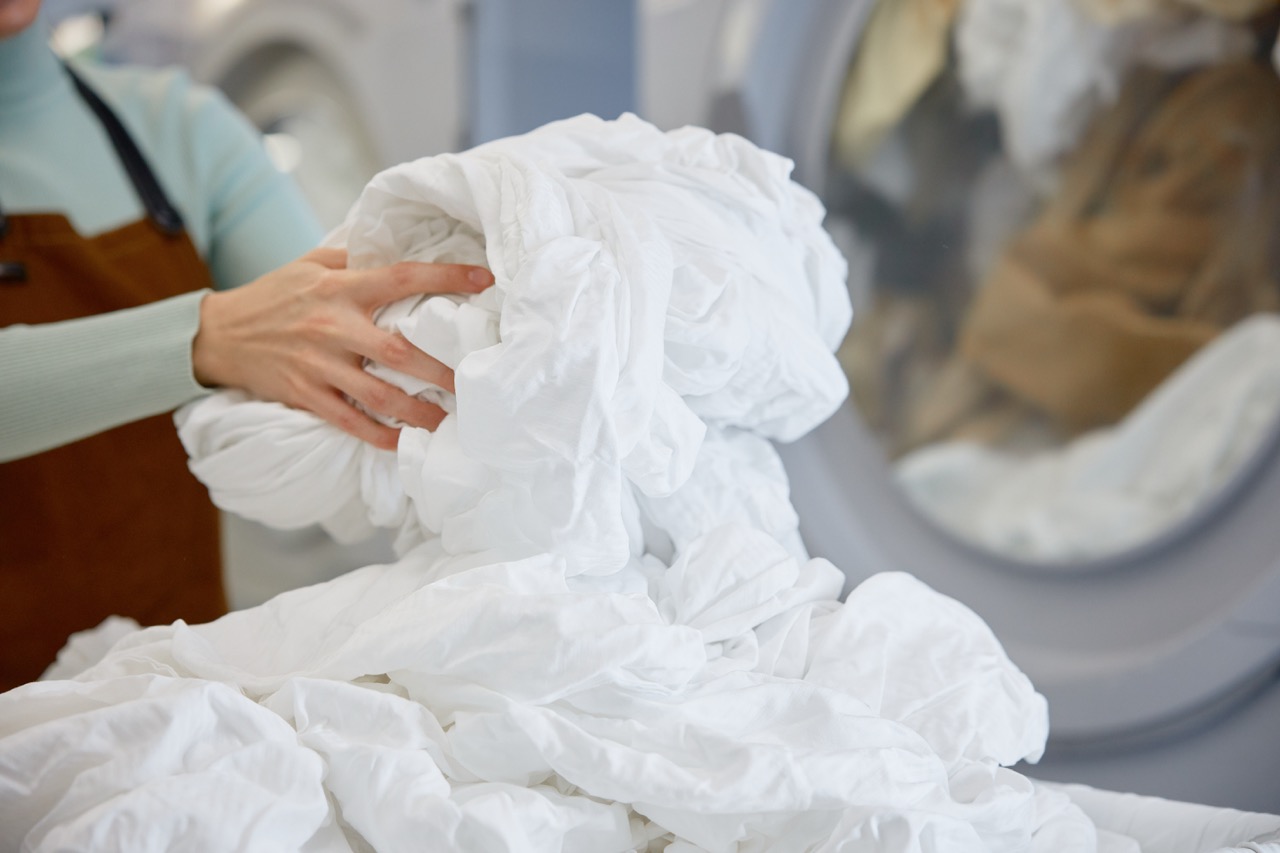
Professional cleaning uses capacity equipment and fabric-appropriate methods to clean thoroughly and dry evenly—without damaging your comforter’s loft or stitching.
Protect the Investment You Sleep Under
High-quality comforters (down, silk, wool, bamboo, or premium synthetics) are an investment. Expert care helps maintain:
- Loft and insulation for consistent warmth
- Fabric integrity, stitching, and baffle structure
- Color and hand-feel so it looks and feels like new
With the right care schedule, you’ll extend the life of your comforter and delay replacement costs.
How Often Should You Clean a Comforter?
- Every 6–12 months for average use with a duvet cover
- Every 3–6 months if you have allergies, sleep warm, or share with pets
- Immediately after spills or visible stains (treat fast to avoid set-in marks)
Using a duvet cover and rotating/airing your comforter monthly helps keep it cleaner between professional cleanings.
What to Expect with Professional Comforter Cleaning
At a quality cleaner, your comforter receives:
- Inspection & care-label check (fabric, fill, stitching)
- Spot and stain pre-treatment that’s safe for delicate fibers
- Method-matched cleaning (specialized wet cleaning or dry cleaning as appropriate)
- Controlled drying & fluffing to restore loft
- Final finishing & protective packaging to keep it fresh until use
Prefer convenience? Many cleaners offer pick-up and delivery to make the process effortless.
Convenience That Fits Your Routine
Washing and drying a large comforter at home can take hours—and still leave clumps or damp spots. Hand it off to pros and get it back fresh, fluffed, and ready for bed—no hassle, no second wash, no guesswork.
Sleep Better Under a Truly Clean Comforter
A professionally cleaned comforter smells fresher, feels softer, and performs better. Consider it an investment in your nightly comfort and long-term bedding care.
Ready for a fresher bed? Book professional comforter cleaning with pick-up and delivery today.
FAQ (Great for Featured Snippets)
How often should I clean my comforter?
Every 6–12 months for average use; 3–6 months if you have allergies, pets, or sleep warm.
Is dry cleaning safe for down comforters?
Yes—when the cleaner inspects the fill and uses the appropriate method for down, then dries and fluffs carefully to restore loft.
Can I wash a comforter in a regular washing machine?
Large comforters often overfill home machines, causing uneven cleaning and clumping. Professional equipment ensures a thorough, even clean.
Will cleaning flatten my comforter?
Proper process restores loft by removing oils and moisture that weigh fibers down, then drying and fluffing evenly.
Do I need a duvet cover?
A duvet cover acts as a washable barrier that reduces body oils and dust reaching the comforter, extending the time between deep cleans.
Check out our Facebook!

Winter Coat Cleaning in Montreal: The Complete Guide (Wool, Down, Cashmere & More)
Montreal winters bring snow, slush, and road salt—great for skating rinks, tough on outerwear. If you want your favorite coat to look sharp and last for seasons, the right cleaning routine matters. This updated, practical guide covers how often to clean different fabrics, DIY care you can safely do at home, and when to hand your coat to a professional cleaner.
Serving Montreal: Nettoyeur Marie‑Claire has convenient locations in Nouveau‑Bordeaux (2535 rue De Salaberry), Downtown (1000 Rue De La Gauchetière O), and Ahuntsic‑Cartierville (301 Boul Henri‑Bourassa E), plus fast pickup & delivery. Call 514‑334‑7830. (nettoyeur marie claire)
How often should you clean a winter coat?
As a rule of thumb, outerwear doesn’t need washing after every wear. Most wool and structured coats do best with professional cleaning once or twice per season, plus spot‑treating in between. That cadence keeps odors and salt marks at bay without over‑processing delicate fibers. (Real Simple)
Quick frequency guide
- Wool & cashmere overcoats: 1–2× per season (and always before end‑of‑season storage). (Real Simple)
- Down & puffer coats: Clean when visibly soiled or losing loft; use a pro process that restores fill evenly.
- Performance synthetics (poly/nylon): Wash as needed; avoid high heat to preserve coatings and shape.
Always check the care label symbols first—those pictograms follow the ISO 3758 standard and tell you the maximal safe care for that garment (washing, bleaching, drying, ironing, and professional care). (GINETEX)
Fabric‑by‑fabric care tips
Wool & Cashmere Coats
- Daily care: After wearing, let the coat air out on a wide, padded hanger; use a clothes brush to lift dust and revive the nap.
- Spot cleaning: Blot (don’t rub) with a barely damp cloth. Avoid home stain cocktails that can shrink or distort fibers.
- When to go pro: Noticeable odors, salt rings, food/oil stains, or end‑of‑season refresh—professional cleaning protects shape, lining, and interlinings.
Down & Puffers
- Biggest risks: Clumped fill and flattened baffles from incorrect washing or drying.
- Best approach: Professional wet‑cleaning or specialized down processes that restore loft evenly and fully dry the fill.
- At home (if label allows): Use a gentle cycle, minimal detergent, and long, low‑heat tumble with clean dryer balls to re‑loft—then fully dry to prevent odor.
Technical & Synthetic Shells
- Mud/salt: Rinse with cool water as soon as possible; spot‑clean with a mild solution.
- Heat caution: Skip high dryer heat to avoid damaging coatings. If water stops beading, ask about re‑proofing after cleaning.
Montreal’s winter wildcard: salt stains
Road salt leaves white, crusty marks and can discolor fabrics if it sits. Brush off dry residue, then blot the area with clean, warm water. Persistent rings? A professional cleaner can dissolve salt without leaving halos or watermarks—important for wool and tailored coats.
Why professional dry cleaning is worth it
A skilled cleaner uses fabric‑appropriate methods (dry cleaning, wet cleaning, or hand treatment) to:
- Remove oils, odors, and salt without felting or shrinking wool
- Protect structure (shoulder pads, canvases, interlinings)
- Restore finish and drape so your coat looks new longer
Regular professional care extends the life of your coat and prevents costly replacements—especially for investment pieces. (nettoyeur marie claire)
Smart stain triage (what you can safely do now)
- Act fast: Blot (don’t rub) spills with a clean, white cloth.
- Grease/oil: Sprinkle a small amount of cornstarch to absorb, then gently brush away before professional cleaning.
- Unknown stains: Skip DIY chemistry—mixing cleaners can set stains or damage dyes. When in doubt, bring it in.
Storage: protect your coat between seasons
- Clean first. Stains and body oils oxidize and attract pests; end‑of‑season cleaning is essential. (Real Simple)
- Use the right hanger. Wide, padded or wooden hangers preserve shoulder shape.
- Choose breathable protection. Store in a cotton garment bag; avoid sealed plastic that traps moisture.
- Cool, dry, dark. Keep away from heat sources and sunlight; add cedar to deter pests naturally.
Book trusted care in Montreal
Nettoyeur Marie‑Claire makes winter‑coat maintenance easy with pickup & delivery and three convenient locations across the city. Call 514‑334‑7830 or visit us to schedule service in Nouveau‑Bordeaux, Downtown, or Ahuntsic‑Cartierville. (nettoyeur marie claire)
FAQs
What do the care label symbols mean?
They’re standardized icons (ISO 3758) that show the most intensive safe treatment for washing, bleaching, drying, ironing, and professional care. Follow them to avoid damage.
How often should I dry clean a wool coat?
Typically once or twice per season, plus spot‑treating in between and a full clean before storage. Heavy use or visible soil may require more frequent service.
Can salt rings be removed from wool?
Yes. Brush off dry residue and blot with warm water; stubborn rings are best handled by a professional to prevent halos and color loss.
Is professional cleaning really better than washing at home?
For structured wool and tailored coats—absolutely. Pro care protects shape, linings, and finishes, and helps garments last longer.
Check out our Facebook!
Dry Cleaning vs. Machine Washing: Protecting Your Clothing Investments

When it comes to caring for your wardrobe, the way you clean your garments can make all the difference in how long they last and how good they look. While tossing clothes in the washing machine is convenient, not every fabric or design is built to withstand the rigors of home laundry. For expensive, delicate, or investment pieces, dry cleaning often proves to be the superior choice. Understanding when to choose dry cleaning over machine washing is key to protecting your clothing investments.
When Machine Washing Works
Machine washing is best for everyday clothing made from durable fabrics. Cotton T-shirts, denim jeans, polyester gym wear, and other sturdy garments generally hold up well in a home wash cycle. These items are designed for frequent use and cleaning, and modern detergents make it easy to remove dirt and odors. If you’re dealing with casual clothing or items labeled “machine washable,” the washing machine is the most practical and cost-effective option.
However, problems arise when delicate fabrics, specialty tailoring, or luxury details are involved. That’s when dry cleaning comes to the rescue.
Why Dry Cleaning is Superior for Delicate & High-Value Items
- Protecting Delicate Fabrics
Materials like silk, cashmere, wool, and velvet can lose their shape, texture, or finish in a washing machine. Dry cleaning uses gentle solvents instead of water, ensuring that fabrics retain their original softness, drape, and luster.
- Preserving Structured Clothing
Suits, blazers, and evening dresses are carefully tailored and lined to hold a specific shape. Machine washing can distort these structures, leading to misshapen shoulders, warped seams, or uneven hems. Dry cleaning maintains the garment’s form and prolongs its professional appearance.
- Safeguarding Luxury Details
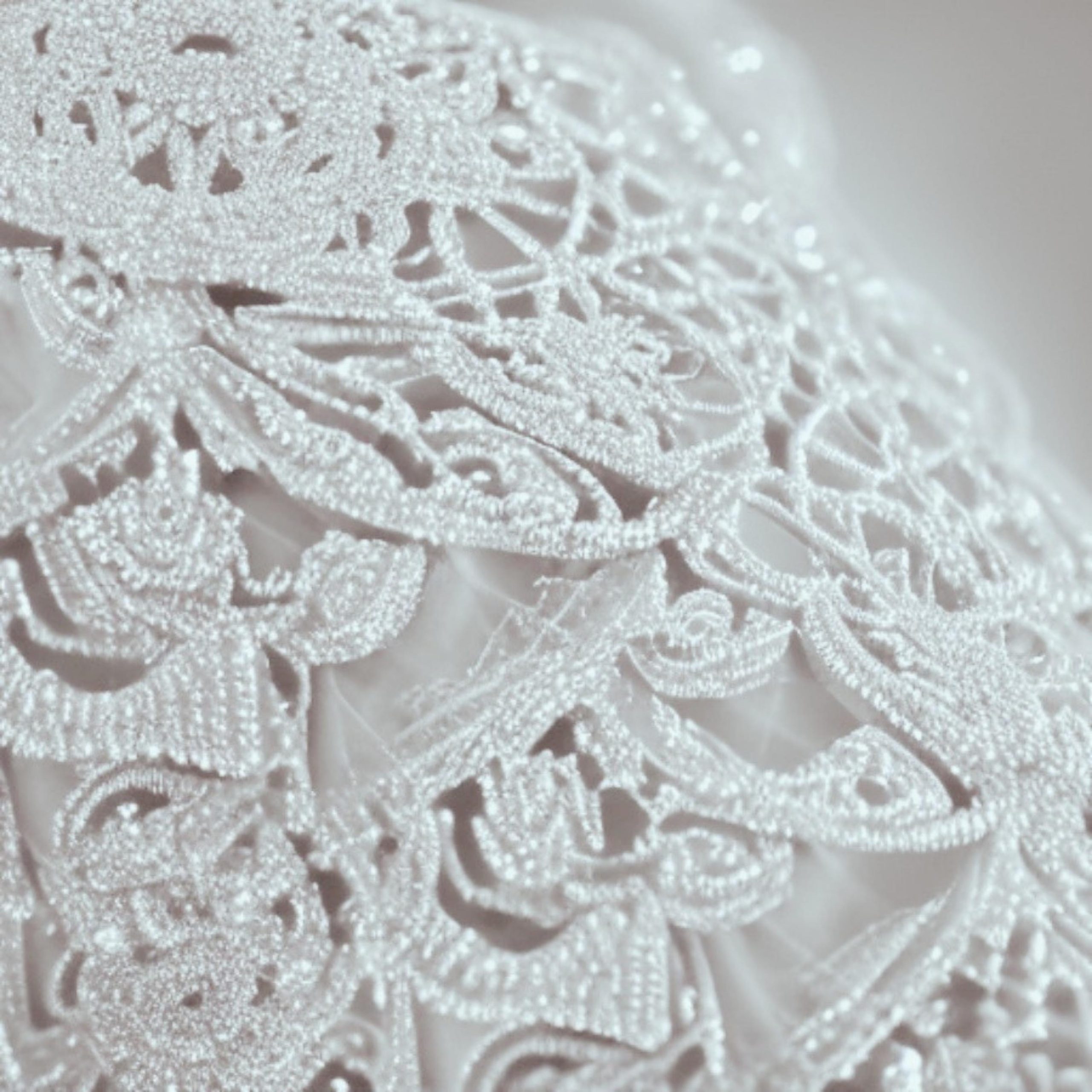
Designer garments often feature intricate embellishments like beading, lace, sequins, or embroidery. Machine washing can snag or tear these delicate details. Dry cleaning techniques protect these embellishments while still removing dirt, stains, and oils.
- Effective Stain Removal
Household detergents can only do so much against stubborn stains like oil, grease, or wine. Professional dry cleaners use specialized treatments to target these stains without damaging the fabric, giving your clothes a second life.
Clothing Investments Worth Dry Cleaning
If you’ve spent extra on high-quality garments, treating them with the right care is essential. Items that should almost always be dry cleaned include:
- Designer suits and blazers
- Silk blouses and dresses
- Cashmere and wool sweaters
- Evening gowns and cocktail dresses
- Wedding dresses and formal wear
These pieces are not just clothing—they are investments in style, confidence, and longevity.
Conclusion: Choose Care That Matches the Value
Machine washing may be fine for your everyday basics, but when it comes to high-value or delicate items, dry cleaning is the best way to protect your wardrobe investment. At Nettoyeur Marie Claire, our professional dry cleaning services ensure your garments look their best for years to come, saving you money in the long run by extending the life of your clothes.
Allergy Relief: How Dry Cleaning Helps Reduce Indoor Allergens

If seasonal sniffles turn into year‑round sneezing, your clothing and home textiles may be part of the problem. Fabrics act like magnets for dust mites, pet dander, and fine particles that irritate the nose, eyes, and skin. For many “dry‑clean‑only” items—think suits, wool coats, silk blouses, drapes, duvets—traditional home laundry isn’t an option. That’s where professional dry cleaning comes in.
At Nettoyeur Marie Claire, our professional process removes embedded soils and allergens safely and effectively, helping you breathe easier at home.
Where allergens hide in your wardrobe and home
Allergens love soft surfaces. Common hot spots include:
-
Outerwear & tailoring: wool coats, suits, blazers, uniform pieces
-
Delicates: silk blouses, cashmere sweaters, scarves, formalwear
-
Home textiles: drapes/curtains, duvets and wool blankets, decorative throw pillows, fabric slipcovers, lightweight area rugs (check care labels)
-
Accessories: hats, shawls, fabric belts and bags
Many of these items can’t be machine‑washed hot without shrinkage, dye bleed, or damage—so allergens accumulate over time unless they’re professionally cleaned.
How professional dry cleaning reduces allergens
Dry cleaning isn’t “dry”—it uses specialized cleaning solutions instead of water. The combination of solvent action, detergents, filtration, and finishing targets both visible soils and microscopic particles that trigger reactions.
1) Solvent immersion dissolves body oils that trap allergens Oils from skin and pets help dust and dander stick to fibers. Professional solvents break down these oils so allergens release from fabric.
2) Professional detergents lift fine particles Dry‑cleaning detergents are formulated to suspend and carry away tiny particles (including dust mite fragments and dander) without rough agitation.
3) Multi‑stage filtration keeps fabrics from re‑deposits Commercial machines filter and refresh the cleaning solution, so removed particles don’t simply move from one garment to another.
4) High‑temperature steam finishing After cleaning, garments and textiles are finished with controlled steam and heat, which helps reduce mites and neutralize lingering residues while restoring shape and drape.
5) Clean handling and protective packaging Post‑cleaning inspection, lint removal, and protective covers help keep items allergen‑free on the way back to your closet.
Bottom line: For fabrics that can’t be washed hot, professional dry cleaning is one of the safest ways to remove dust, dander, and other irritants without damaging delicate fibers.
Dry cleaning vs. at‑home laundry for allergies
-
When to choose home laundry: Sheets, cotton T‑shirts, and other washable items can be laundered regularly. Hot water (per the care label) helps reduce dust mites.
-
When to choose dry cleaning: “Dry‑clean‑only” garments, structured tailoring, and textiles like drapes, wool blankets, duvets, and silk that can’t tolerate hot water or heavy agitation. Dry cleaning removes the oils and particles that standard cold cycles often leave behind.
Items to prioritize if you have allergies
-
Drapes & curtains: Act like giant air filters. Clean every 6–12 months, more often if you have pets or live on a busy street.
-
Duvets & wool blankets: Clean 1–2 times per year; rotate seasonally.
-
Suits, blazers & coats: Clean every 3–6 wears (or at the end of the season) to purge lint, dust, and outside pollutants.
-
**Decorative cushions/throws:** If they’re not machine-washable, dry clean them every three months. You can also do it when they show visible dirt. This helps cut down on dander buildup.
-
Formalwear & delicates: Clean after each wear if exposed to outdoor pollen, pet dander, or fragrance that can irritate sensitive noses.
(Always check the care label. When in doubt, our team can advise on the safest method.)
Simple habits to keep allergens down between cleanings
-
Change at the door: Swap outdoor clothes for indoor loungewear to avoid tracking pollen and dander inside.
-
Brush off & lint‑roll: A quick lint roll on coats and pants reduces surface allergens.
-
Store smart: Use breathable garment bags for seasonal items to limit dust accumulation.
-
Vacuum regularly: A HEPA‑filter vacuum on carpets and upholstery captures fine particles.
-
Pet care: Keep pets off bedding and brush them outdoors when possible.
-
Reduce fragrances: Fragrance residues can be irritating; choose unscented care when sensitive.
Health note: If you have allergies or asthma, talk to your healthcare provider.
Inquire about a full home plan. This plan should cover:
Mattress and pillow encasements
Air filters
A cleaning schedule
Fabric care instructions
Make sure to get all the details!
Why choose Nettoyeur Marie Claire
-
Fabric-safe expertise: We clean and finish delicate fibers like wool, silk, cashmere, and blends. This process prevents shrinkage and distortion.
-
Thorough inspection: Stain pre‑treatment, pocket checks, and lint removal before careful finishing.
-
Home textiles care: From drapery to duvets and seasonal blankets, we help refresh the textiles that impact your indoor air most.
-
Convenient service: Fast turnaround and friendly advice on care labels and cleaning frequency.
Ready to make your wardrobe and home feel fresher? Contact Nettoyeur Marie Claire to schedule garment or home‑textile cleaning today.
Check out our Facebook!
Frequently Asked Questions
Does dry cleaning remove allergens like dust mites and pet dander? Yes. The process removes and carries away tiny particles, like dust mite bits and pet dander. Steam finishing adds heat, which helps reduce allergens on fabric surfaces. It does this without damaging “dry-clean-only” items.
Is dry cleaning better than washing for allergies? For washable cottons, hot‑water laundry is effective. For delicate or structured items that can’t be washed hot, dry cleaning is the safer and more effective way to remove oils and embedded particles.
How often should I dry clean drapes? Every 6–12 months, or more often in high‑traffic, high‑dust, or pet‑friendly homes.
Will dry cleaning remove pet odors from clothing and blankets? It helps significantly by dissolving the body oils that hold odor and dander. Let us know about persistent odors so we can apply targeted pre‑treatments.
I’m sensitive to fragrances—can you accommodate that? Absolutely. Ask for low‑odor, fragrance‑free finishing and we’ll package items to minimize scent transfer.
Luxury Bedding Care: Why Dry Cleaning is Essential for Silk and Satin Sheets

Silk and satin sheets aren’t just bedding — they’re an experience. The softness, shine, and breathability of these materials bring comfort, elegance, and a touch of luxury to your nightly routine. But with such beauty comes the need for extra care.
If you’ve invested in premium bedding, don’t risk ruining it in a household washer. Here’s why professional dry cleaning is essential to keeping your silk and satin sheets soft, vibrant, and luxurious for years to come.
- Delicate Fabrics Need Gentle Handling
Silk and satin are incredibly smooth, but also fragile. Traditional home washing machines — especially those using hot water or aggressive spin cycles — can:
- Weaken or stretch fibers
- Dull the natural sheen
- Cause shrinkage or distortion
- Fade or bleed the colour
At Nettoyeur Marie Claire, we use gentle, specialized solvents and techniques that clean thoroughly without compromising fabric integrity.
- Preserve the Look and Feel of Luxury
One of the main appeals of silk and satin is their irresistible softness and elegant appearance. Home detergents and hard tap water can strip the natural proteins from silk, leading to:
- Loss of softness
- Rough texture
- Water spots or uneven fading
Dry cleaning helps maintain the smooth texture, luster, and color uniformity that make your sheets feel like sleeping on a cloud.
- Protect Against Hidden Damage
Even when bedding looks clean, sweat, body oils, and skin products can cause invisible buildup that weakens the fabric over time. This is especially true with delicate fibres like silk.
Professional dry cleaning deep cleans without abrasion, eliminating residues that could attract dust mites or cause discoloration. Our process also helps preserve stitching and seams, which can fray with improper care.

- Extend the Life of Your Investment
Silk and satin bedding often come with a premium price tag — and for good reason. They’re breathable, hypoallergenic, and luxurious. Regular dry cleaning helps:
- Prevent wear and tear
- Maintain the original shape
- Keep bedding fresh and hygienic
- Reduce the need for early replacement
Think of it as preservation, not just cleaning.
- Convenience Meets Care
At Nettoyeur Marie Claire, we make luxury care easy. Drop off your sheets or schedule a pickup and delivery — and rest easy knowing your bedding will receive expert attention.
Our team understands the sensitivity of luxury fabrics and tailors each cleaning to the specific needs of the item, so you get professional results every time.
Final Thought: Sleep in Luxury, Care with Confidence
Your bedding should feel like a retreat, not a chore. Trusting your silk and satin sheets to a professional cleaner ensures they stay just as luxurious as the day you bought them.
Let Nettoyeur Marie Claire help you care for your most cherished linens — so every night feels like a stay at a five-star hotel.
Have silk or satin sheets that need cleaning?
Contact us today to book your expert bedding care service »
Check out our Facebook!
Travel Smart: Dry Cleaning Tips for Business Travelers

For professionals constantly on the move, traveling for work can be both exciting and exhausting. Between airport security, back-to-back meetings, and hotel stays, one thing you shouldn’t have to worry about is your wardrobe. Whether you’re jetting off from Montreal-Trudeau or taking the highway to Quebec City, your clothes should work as hard as you do — without wrinkles, odours, or last-minute panic.
At Nettoyeur Marie Claire, we’re here to help frequent flyers stay sharp and polished. Here are our top dry cleaning tips for business travelers who want to look their best — no matter the time zone.
- Pre-Trip Prep: Start Fresh
Before you even pack your suitcase, drop your key pieces — suits, dresses, shirts, and blouses — off at the dry cleaners. A professional clean not only removes stains and odours but also revives the fabric and restores the crisp look you need for meetings and networking events.
Bonus: Ask for a light press to reduce bulk and make folding easier.
- Pack Smarter with Pressed Garments
Dry-cleaned clothes are easier to fold neatly and maintain their shape longer in your luggage. At Nettoyeur Marie Claire, we can prepare your business attire with crease-resistant pressing, perfect for rolling or laying flat.
Tip: Place dry-cleaned garments in plastic sleeves or garment bags to reduce friction and preserve the pressed look.
- Wrinkle Rescue While Abroad
No iron in your hotel room? No problem. A simple steam from a hot shower can help release light wrinkles from dry-cleaned clothes — but don’t rely on this for serious creases. Better yet, if you’re traveling within Montreal or Laval, contact our team to schedule a pick-up or delivery on your return — we’ll have your clothes refreshed and ready.

Business Travelers
- Post-Trip Recovery: Refresh, Don’t Replace
After a long trip, don’t leave your clothes sitting in the suitcase. Sweat, city pollution, and food stains can damage fabrics over time. Instead of tossing items in the washer, let our team professionally clean and deodorize your garments, extending their lifespan.
Good to know: We specialize in high-end fabrics and designer brands, ensuring your wardrobe investment is protected.
- Opt for Wash-and-Fold for Travel Basics
In addition to dry cleaning, take advantage of our wash-and-fold service for your everyday travel essentials — undershirts, socks, activewear, and sleepwear. It saves you time and ensures everything comes back fresh and folded.
Final Thought: Let Your Clothes Work for You
In business, presentation matters. A sharp suit or crisp blouse can boost your confidence and leave a lasting impression. With Nettoyeur Marie Claire, you can travel light and return home even lighter, knowing your wardrobe is in expert hands.
Whether you’re a frequent flyer or planning your next corporate trip, visit us before takeoff — or schedule a pickup and delivery so you can focus on what really matters: closing deals, not zipping garment bags.
Need your business wardrobe cleaned before your next trip?
Schedule your dry cleaning service today »
Check out our Facebook!
Dry Cleaning Formalwear: Keep Your Prom or Gala Attire Flawless

When it comes to special occasions like proms, galas, weddings, or black-tie events, your outfit is more than just clothing—it’s part of your memories. Gowns, tuxedos, suits, and cocktail dresses are often made with delicate fabrics and detailed finishes. To protect these investments and keep them looking flawless, professional dry cleaning is essential.
At Nettoyeur Marie-Claire, we specialize in handling formalwear with expert care. Whether you’ve worn your outfit once or are preparing it for future use, proper cleaning and storage will make all the difference.
Why Dry Cleaning Is a Must for Formalwear
Unlike everyday clothes, formalwear is often made from materials like silk, satin, chiffon, tulle, lace, or wool blends. These fabrics are sensitive to water, heat, and regular laundry detergents. Trying to wash them at home could result in:
- Fading or bleeding colors
- Shrinking or warping of the fabric
- Damage to embellishments like beads, sequins, or embroidery
- Set-in stains that become permanent
Dry cleaning uses specialized, water-free solvents that clean deeply without damaging the fabric’s structure or color.
Protecting the Investment: Dresses, Gowns & Evening Wear
Prom dresses and evening gowns often carry not just a high price tag but also sentimental value. Whether it’s your first formal dance or an annual gala, your gown deserves careful treatment. Here’s how Nettoyeur Marie-Claire helps protect your investment:
-
Gentle Cleaning for Delicate Fabrics
Our expert team uses solvent-based cleaning methods that remove oils, makeup, and sweat without soaking the garment. This prevents color loss, distortion, and shrinkage.
-
Spot Treatment for Tough Stains
From red wine spills to underarm stains, we inspect every garment closely. Our stain removal specialists treat each mark based on fabric type and stain origin, helping your dress look like new.
-
Preservation Services for Long-Term Storage
Want to keep your gown for years to come? We offer professional preservation packaging, using acid-free tissue and breathable garment bags to prevent yellowing, mold, and dust.

Expert Tuxedo & Suit Care for Men
Tuxedos and suits also require proper care to maintain their sharp look. Even after just one evening, natural oils, perspiration, and outdoor exposure can affect the fabric.
Why bring your tux to Nettoyeur Marie-Claire?
- We steam-press to restore crisp lines and lapels
- Our gentle solvents prevent shine marks or fabric wear
- We carefully handle linings, shoulder pads, and buttons
Even if you only wear it once a year, proper dry cleaning keeps your suit or tuxedo fresh, pressed, and ready for your next event.
When to Dry Clean Formalwear
We recommend dry cleaning your formalwear:
- Right after the event – Don’t let stains or oils sit; the longer they stay, the harder they are to remove.
- Before storage – Freshly cleaned items stay in better shape long-term.
- Before your next event – Make sure your outfit looks perfect ahead of time.
Remember: many stains you can’t see right away (like clear alcohol or perfume) can turn yellow over time.
Trust Nettoyeur Marie-Claire With Your Finest Attire
Located in [your city/region], Nettoyeur Marie-Claire has built a reputation for excellence in dry cleaning, especially when it comes to formal and high-end garments. Our customers trust us with designer gowns, tailored suits, and treasured keepsakes—because we treat every item with care and precision.
Why choose us?
- Over 40 years of experience in garment care
- Eco-friendly cleaning options available
- Same-day or next-day service for urgent needs
- Convenient pick-up and delivery service
Conclusion
Formalwear represents moments you’ll remember for a lifetime. Don’t let improper cleaning ruin those memories. With the professional care of Nettoyeur Marie-Claire, your dresses and tuxedos will always look flawless, fresh, and photo-ready. Trust us to keep your special-occasion outfits in perfect shape—before and after the spotlight.
Check out our Facebook!
Dry Cleaning Your Activewear: Keep It Working Like New

Activewear is a big part of our daily lives. Whether you’re hitting the gym, jogging, or just running errands, sports clothes help you stay comfortable and dry. But these high-performance clothes are made with special fabrics. To keep them working their best, you need to take care of them the right way. One smart way to do that is by dry cleaning.
Why Activewear Needs Special Care
Activewear is often made from materials like spandex, nylon, and polyester. These fabrics stretch, breathe, and wick away sweat. But they’re also sensitive. Washing them the wrong way can cause problems, such as:
- Losing their shape and stretch
- Fading colors
- Getting smelly
- Wearing out too soon
Most people wash activewear at home in the machine. But that can be harsh on the fabric. Over time, your favorite leggings or gym shirts may stop working as they should.
How Dry Cleaning Helps
Dry cleaning is different from normal washing. Instead of water and soap, dry cleaners use special liquids (called solvents) to clean clothes. These solvents are gentle on activewear and remove dirt and sweat better than a regular wash.
Here’s how dry cleaning can help your sportswear last longer:
-
It’s Gentle on Fabric
The stretching parts of your activewear—like the waistband of yoga pants—can get weak in the washing machine. Dry cleaning doesn’t rub or spin your clothes. It’s much gentler, so your clothes keep their shape and stretch.
-
It Removes Bad Smells
Sweat often sticks deep in the fabric. Regular laundry might not get rid of the smell, even with strong detergent. Dry cleaning uses powerful solutions that go deep and remove odors completely.
-
It Gets Stains Out
Sweat, oils, and dirt can stain activewear. At home, these stains are hard to remove. A dry cleaner can treat the stains the right way—without hurting the fabric.

Keep the Performance Features
Many activewear brands add special features. Some clothes fight bacteria, protect from the sun, or offer extra support with tight areas. Washing with hot water or harsh soap can break down these features. Dry cleaning protects them, so your clothes keep doing their job.
When Should You Dry Clean Activewear?
You don’t need to dry clean every piece after each workout. But it’s a good idea if:
- You have strong smells or sweat buildup
- You notice stains
- The label says “dry clean only”
- You want to store the clothes for a season
Always read the care tag. If you’re unsure, ask your local cleaner for advice.
Final Thoughts
Activewear works hard for you. It helps you move, stay cool, and feel good. To keep it in top shape, treat it with care. Dry cleaning helps your sportswear last longer, smell better, and perform like new. It’s a small step that makes a big difference.
Check out our Facebook!
The Science Behind Fabric Shrinkage: How Professional Cleaning Prevents It

Fabric shrinkage happens when your clothes become smaller or lose their shape after washing. Knowing why shrinkage occurs—and how professional dry cleaning prevents it—helps protect your clothes and keeps them looking new.
Why Do Fabrics Shrink?
Fabrics shrink mainly because of their fibers and how they’re made. There are two main types of fibers: natural (like cotton, wool, silk) and synthetic (like polyester, nylon). Natural fibers shrink more because they swell and shrink back when exposed to water and heat.
During fabric production, fibers are stretched tight to create smooth, even materials. When these fabrics are washed in hot water or dried at high temperatures, fibers return to their original size, causing clothes to shrink. Heat and movement during washing make this shrinkage worse.
Types of Fabric Shrinkage
Shrinkage happens in different ways:
- Relaxation Shrinkage: Occurs during the first washes as fibers relax from being stretched during production. This is common with cotton clothes.
- Felting Shrinkage: Commonly seen in wool, this type happens when fibers get tangled and matted after washing in water with heat and agitation.
- Consolidation Shrinkage: Happens when clothes contain both natural and synthetic fibers. The natural fibers shrink, pulling the synthetic ones closer.
How Professional Dry Cleaning Prevents Shrinkage
Professional dry cleaning helps avoid shrinkage by using methods that don’t involve water or high heat. Here’s how:

No Water Used
Dry cleaning uses special solvents instead of water. These solvents clean gently without causing fibers to swell or shrink. Unlike water, these solvents don’t affect fibers the same way, greatly reducing shrinkage risks.
Controlled Heat and Gentle Handling
Dry cleaning machines carefully control heat and movement. Solvents gently wash around garments without causing friction or agitation, keeping delicate fibers intact.
Expert Inspection and Finishing
Dry cleaning professionals inspect each garment, checking the fabric and care instructions. After cleaning, they carefully press and steam clothes at low temperatures. This careful finishing helps clothes keep their original shape and size.
Fabrics Best Suited for Professional Cleaning
Certain fabrics benefit most from professional dry cleaning to prevent shrinkage:
- Wool and Cashmere: These delicate fabrics easily shrink if washed improperly. Professional dry cleaning keeps their softness and shape.
- Silk: Highly sensitive to water, silk garments maintain their beauty and size when dry cleaned.
- Cotton and Linen Blends: These fabrics commonly shrink in regular washing. Dry cleaning keeps them looking crisp and new.
- Rayon and Viscose: These fabrics are very prone to shrinking when washed at home but stay stable with professional dry cleaning.
Protect Your Clothes with Professional Cleaning
Shrinkage can ruin your favorite clothes and waste your money. Choosing professional dry cleaning protects your garments. Using gentle solvents, controlled heat, and careful handling, dry cleaning keeps your clothes fitting perfectly after every wash.
Trusting a professional dry cleaner like Nettoyeur Marie Claire helps prevent shrinkage, extends garment life, and keeps your clothes looking their best.
Check out our Facebook!
Benefits of Professional Curtain and Drapery Cleaning

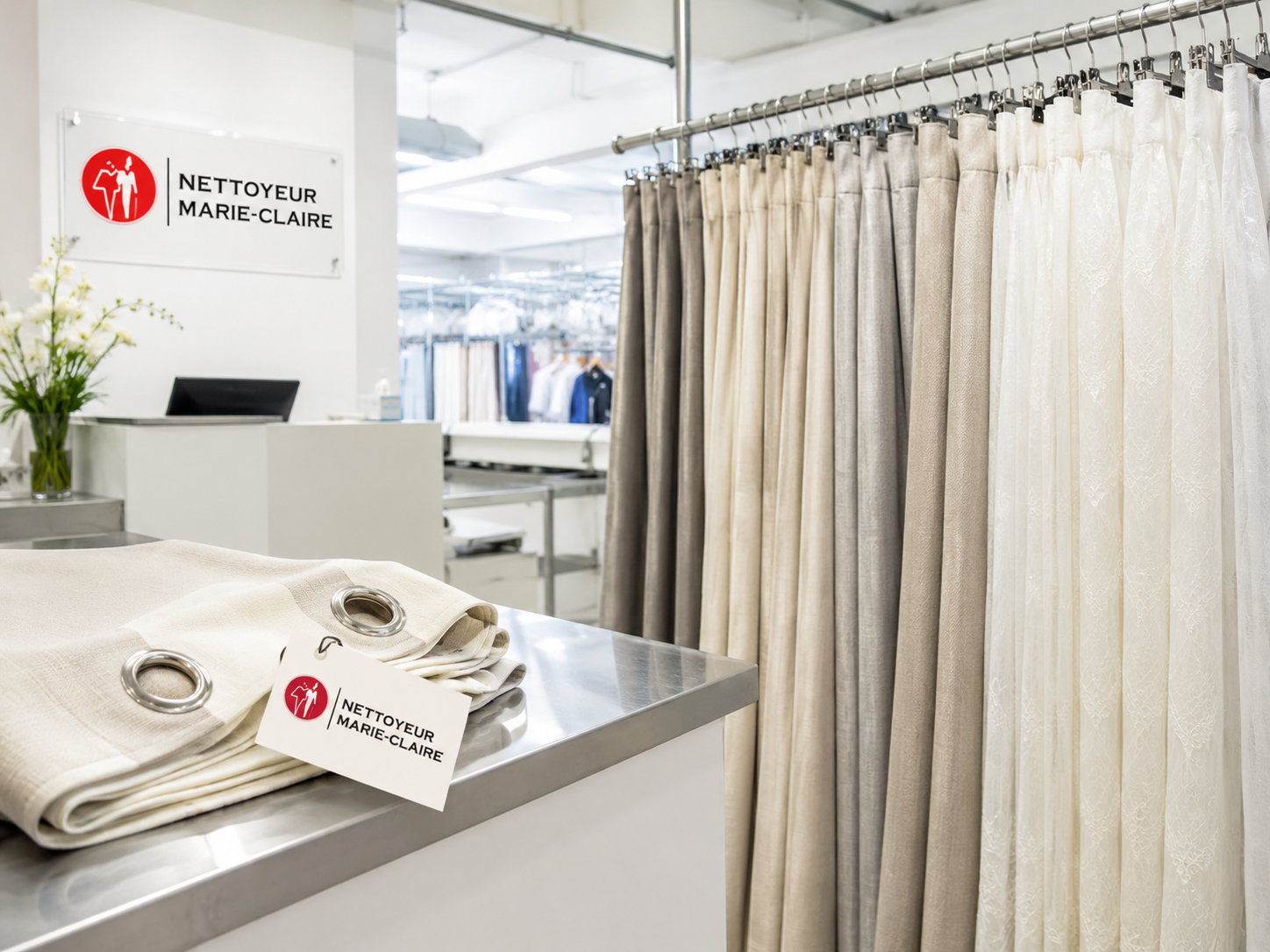
Curtains and draperies do more than decorate your home. They provide privacy, control indoor temperatures, and make your rooms comfortable. However, they can quickly gather dust, allergens, and dirt. Regular cleaning is essential, and professional dry cleaning offers great advantages over home cleaning methods.
Better Indoor Air Quality
Professional curtain cleaning greatly improves indoor air quality. Curtains trap dust, pollen, pet hair, and pollutants from outside air. Over time, these particles build up and can cause allergies or breathing problems.
Professional cleaning removes these contaminants more effectively than vacuuming or home washing. It deeply cleans fabrics, leaving your air fresher and healthier.
Longer Fabric Life
Curtains and drapes are often made from delicate materials. Regular washing can damage these fabrics, causing shrinkage, fading, or wear. Professional dry cleaning uses gentle methods specifically made for delicate materials.
This careful cleaning preserves the strength and color of your curtains. Your window treatments stay beautiful longer, saving you money by avoiding frequent replacements.
Maintaining Beauty and Appearance
Curtains set the tone and style of your home. Exposure to sunlight, dust, and pollution can make them look dull, faded, or dirty.
Professional dry cleaners use special equipment and cleaning products to restore the original beauty of your curtains. They refresh the fabric texture, enhance colors, and remove tough stains safely. Your curtains will look bright, clean, and new again.

Specialized Fabric Care
Different curtain fabrics require different cleaning methods. Silk curtains, for example, need gentle cleaning to avoid water spots or shrinkage. Heavy fabrics like velvet require careful handling to avoid damage.
Professional dry cleaners understand these fabric differences. They choose the correct cleaning methods for each fabric type. With professional care, your curtains receive the best possible cleaning without damage.
Convenient and Easy Service
Cleaning curtains can be hard, especially if they’re heavy or difficult to remove. Professional cleaners offer convenient pickup and delivery services. This saves you time and effort.
Professionals handle everything from removing curtains, cleaning them carefully, and reinstalling them perfectly. This service is easy, stress-free, and convenient for you.
Preventing Mold and Mildew
Curtains can collect moisture, especially in humid rooms like bathrooms and kitchens. Moisture can lead to mold and mildew, causing bad odors and health risks.
Professional dry cleaning removes moisture and dirt effectively, preventing mold and mildew growth. Regular professional cleaning ensures your curtains stay clean, healthy, and odor-free.
Invest in Professional Cleaning
Curtains and drapes greatly impact your home’s comfort and beauty. Professional dry cleaning protects your curtains, improves air quality, extends fabric life, and makes your home look better.
Trusting your curtains to professional cleaners like Nettoyeur Marie Claire ensures the best results. Keep your home beautiful, healthy, and comfortable with professional curtain and drapery cleaning.
Check out our Facebook!
Simple habits to keep allergens down between cleanings