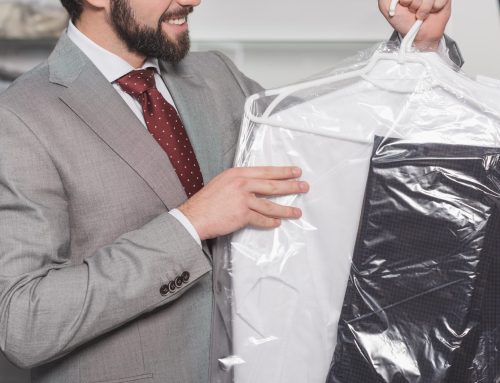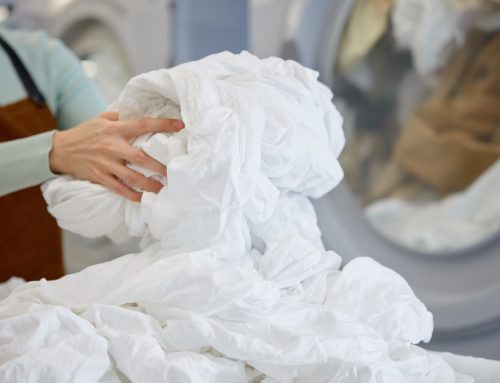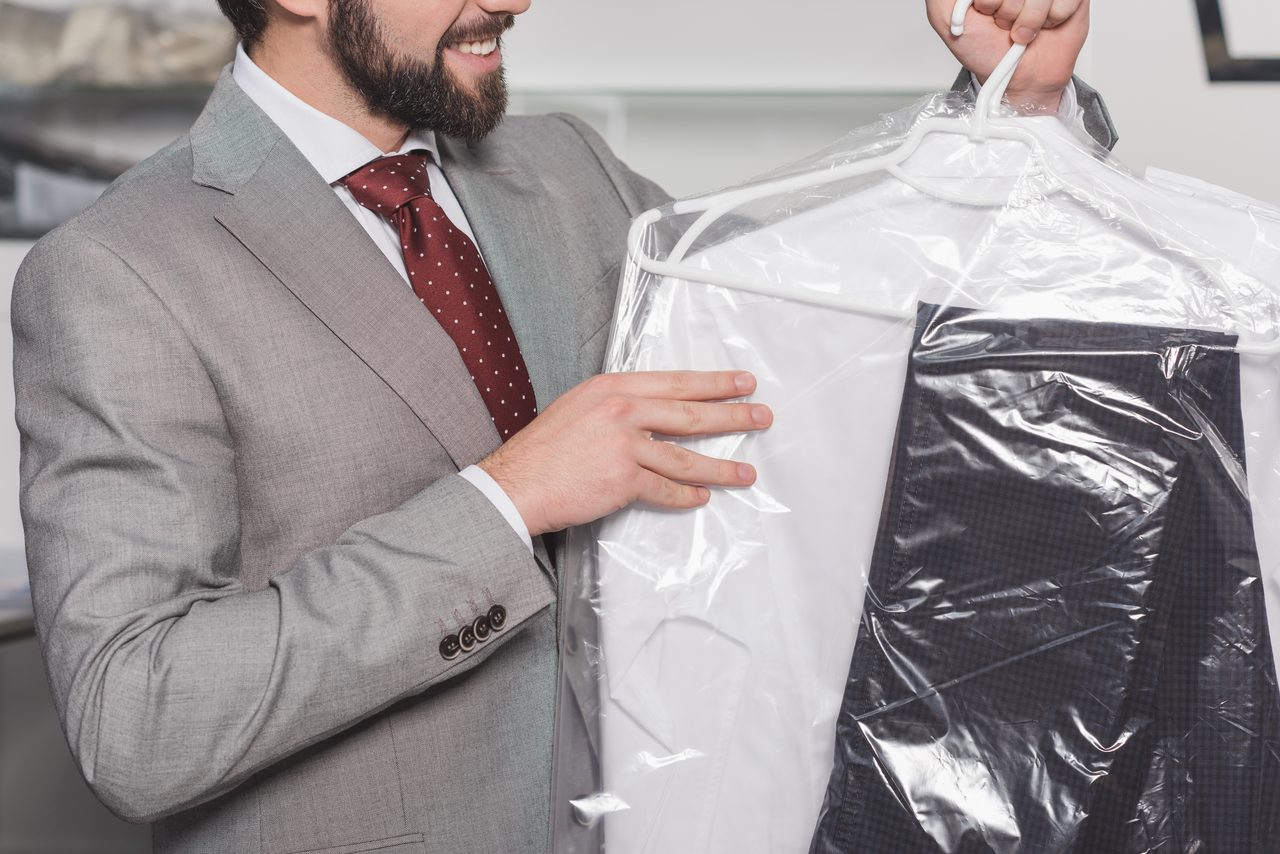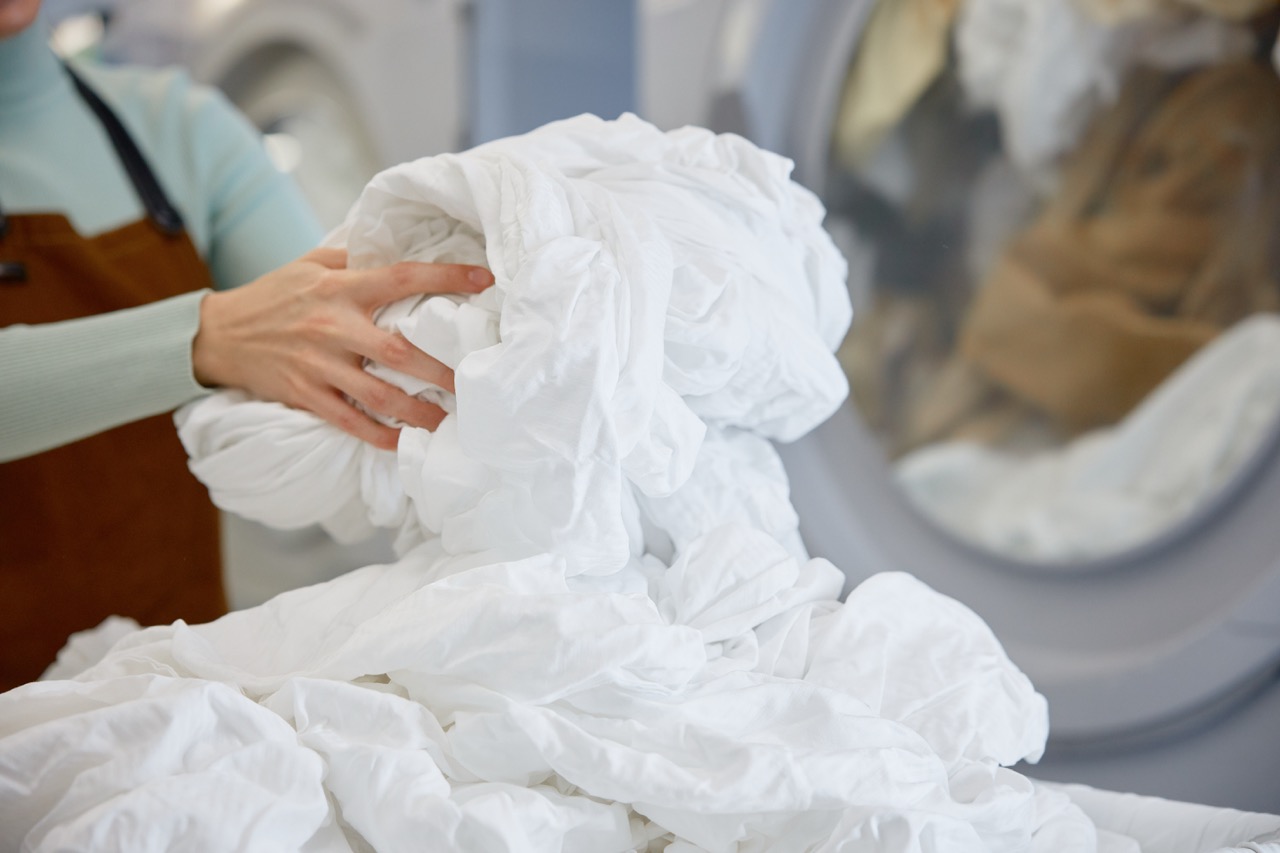
The difference between laundry and dry cleaning comes down to how your clothes are cleaned, which fabrics are safest in each process, and what kind of stains you are trying to remove. Laundry uses water, detergent, and agitation. Dry cleaning uses a professional cleaning process that avoids soaking garments in water, making it a better choice for many delicate, structured, and special-care items.
If you have ever hesitated in front of a care label, wondered whether a suit can go in the washing machine, or searched for a reliable dry cleaner in Montreal, this guide will help you choose the safest option for your clothes.
Difference Between Laundry and Dry Cleaning: Quick Answer
Laundry is best for everyday washable fabrics such as cotton, linen, polyester blends, towels, sheets, and casual clothing. It works especially well on sweat, dirt, and water-based stains. Dry cleaning is best for garments that may shrink, lose shape, bleed colour, or become damaged in water, including suits, wool coats, silk garments, cashmere, formal wear, embellished clothing, and many dry-clean-only pieces.
The easiest rule is simple: if the garment is delicate, lined, tailored, expensive, heavily stained with oil or grease, or marked dry clean only, bring it to a professional before washing it at home.
Dry Cleaning vs Laundry: Key Differences at a Glance
| Factor | Laundry | Dry cleaning |
| Cleaning method | Water, detergent, agitation, rinsing, drying | Professional cleaning solutions, stain spotting, gentle cleaning, pressing |
| Best for | Cotton, linen, towels, sheets, sportswear, casual clothing | Wool, silk, suits, coats, formalwear, delicate and structured garments |
| Stain strength | Water-based stains like sweat, dirt, mud, many drinks | Oil-based stains like grease, makeup, body oils, some food stains |
| Risk if wrong method is used | Shrinkage, fading, colour bleeding, stretched fabric | Lower water-related risk, but must be handled by a qualified cleaner |
| Finish | Clean and fresh; may need ironing | Cleaned, pressed, shaped, and ready to wear |
| Best choice when | The care label allows machine or hand washing | The label says dry clean or dry clean only, or the garment is valuable or delicate |
1. Laundry Uses Water; Dry Cleaning Uses a Professional Solvent Process
Traditional laundry cleans clothes with water, detergent, mechanical movement, rinsing, and drying. This makes it practical for regular household items and clothing that can safely tolerate water.
Dry cleaning is different. Despite the name, the process is not completely dry. Instead of water, professional cleaners use specialized cleaning solutions and equipment to lift soils and refresh garments while reducing the risk of shrinkage, colour bleeding, and fabric distortion. This is why dry cleaning is often recommended for structured jackets, wool, silk, formalwear, and delicate garments.
2. Laundry Is Best for Everyday Washable Fabrics
Laundry is usually the right choice for durable, washable items that are worn often. Think T-shirts, cotton shirts, jeans, gym clothes, children’s clothing, bed linens, towels, and many polyester or cotton-blend garments.
- Choose laundry for sweat, mud, salt marks, washable food spills, and general odours.
- Use cold or warm water when the care label recommends it, and avoid high heat on items that may shrink.
- Separate colours, whites, delicates, and heavy items to reduce fading and damage.
For busy households, a professional wash and fold or laundry and pressing service can save time while giving everyday garments a cleaner, more polished finish than a rushed home wash.
3. Dry Cleaning Is Best for Delicate, Structured, and Special-Care Garments
Dry cleaning is often the safer choice when a garment’s fabric, lining, structure, or finish could be damaged by water or a washing machine. It also includes  professional inspection, stain treatment, cleaning, finishing, and pressing.
Items that often benefit from dry cleaning include:
- Suits, blazers, dress pants, and lined jackets
- Wool coats, cashmere sweaters, and delicate knits
- Silk blouses, satin dresses, chiffon, lace, and evening wear
- Wedding dresses, cocktail dresses, tuxedos, and formal garments
- Clothing with pleats, beading, embroidery, sequins, or structured details
- Garments with oil, grease, makeup, or difficult stains
When in doubt, do not experiment with an expensive or sentimental garment. Ask a professional cleaner to inspect it first.
4. Different Stains Need Different Cleaning Methods
A major reason people compare dry cleaning vs laundry is stain removal. Not all stains behave the same way.
Laundry usually works better for water-based stains such as sweat, mud, many drink spills, and general dirt. Dry cleaning is often more effective for oil-based stains such as grease, body oils, lipstick, makeup, salad dressing, butter, and some sauces.
The sooner a stain is treated, the better. Avoid rubbing the stain aggressively, applying heat, or trying several home remedies before professional cleaning. Heat can set stains, and harsh products can damage fibres or remove colour.
5. Care Labels Matter More Than Guesswork
Before deciding between laundry and dry cleaning, check the care label. The washing tub symbol tells you whether an item can be washed and at what temperature. A circle usually refers to professional cleaning. If the label says dry clean only, the manufacturer is warning that washing may harm the garment.
If the label says dry clean rather than dry clean only, professional cleaning may still be the safest choice, especially for valuable, tailored, dark-coloured, or delicate items. If the care label is missing, treat the garment cautiously and ask a professional before cleaning it.
6. Dry Cleaning Helps Preserve Shape, Texture, and Finish
Some clothes are not just fabric; they are construction. A suit jacket has lining, shoulder structure, canvassing, seams, and a pressed shape. A wool coat can lose body if washed incorrectly. A silk blouse can become dull, shrunken, or water-marked. Formal dresses may include layers, boning, embroidery, and delicate finishes.
Professional dry cleaning and pressing help protect those details. The goal is not only to remove dirt, but also to help the garment keep its original drape, structure, colour, and polished appearance.
7. Professional Laundry and Pressing Can Be the Best Middle Ground
Not every item needs dry cleaning. Some shirts, pants, linens, and everyday garments are washable but still look much better when professionally laundered and pressed. This is especially helpful for work shirts, uniforms, table linens, and clothing that needs a crisp finish.
For Montreal customers, professional laundry, dry cleaning, and pickup and delivery can remove the guesswork. You get the right cleaning method for each garment without spending your week sorting, washing, drying, folding, and ironing.
Which Clothes Should Be Dry Cleaned?
Choose dry cleaning for clothing that is delicate, structured, special-occasion, or difficult to replace. Suits, blazers, wool coats, formal dresses, silk, cashmere, lace, embellished garments, and many dry-clean-only items should be handled professionally.
You should also consider dry cleaning when a garment has stubborn oil-based stains, needs professional pressing, or carries sentimental or financial value. Wedding dresses, designer garments, vintage pieces, and tailored clothing deserve extra care.
Which Clothes Can Usually Be Laundered?
Laundry is usually suitable for everyday washable items such as cotton T-shirts, jeans, casual shirts, sportswear, socks, underwear, towels, sheets, and many durable synthetic blends. Always check the care label first, especially for garments that mix fibres or include trim, lining, or embellishments.
If you want the convenience of laundry without the time commitment, wash and fold is ideal for everyday clothing and household items. If you need a crisp look, laundry and pressing is the better option.
Montreal Garment Care: When to Call Nettoyeur Marie-Claire
Nettoyeur Marie-Claire offers dry cleaning, laundry and pressing, wash and fold, and pickup and delivery service for customers across Greater Montreal. With locations in Nouveau-Bordeaux and Ahuntsic-Cartierville, the team helps customers choose the right care method for everyday clothing, workwear, suits, formalwear, delicate fabrics, and special garments.
If you are not sure whether to wash or dry clean an item, bring it in or schedule a pickup. A professional inspection can help prevent shrinkage, fading, fabric damage, and permanent stains.
Final Recommendation: Laundry or Dry Cleaning?
Choose laundry for durable, washable everyday items. Choose dry cleaning for delicate fabrics, tailored garments, formalwear, dry-clean-only clothing, and oil-based stains. Choose professional laundry and pressing when clothing can be washed but still needs a clean, polished finish.
Your clothes last longer when they are cleaned the right way. If you are in Montreal, Laval, Ahuntsic, Saint-Laurent, Downtown, TMR, or the West Island, Nettoyeur Marie-Claire can help with expert dry cleaning, laundry, pressing, wash and fold, and convenient pickup and delivery.
Need help deciding? Contact Nettoyeur Marie-Claire today or schedule a pickup and let our garment care team recommend the safest option for your clothes.
FAQs About Dry Cleaning vs Laundry
Is dry cleaning better than laundry?
Dry cleaning is not always better; it is better for the right garments. Use dry cleaning for delicate, structured, formal, or dry-clean-only items. Use laundry for durable everyday clothing and household items that are safe to wash in water.
Can I wash dry-clean-only clothes at home?
It is risky. Some garments labeled dry clean only may shrink, bleed colour, lose shape, or become damaged in water. For expensive, tailored, lined, silk, wool, embellished, or sentimental garments, professional cleaning is the safer choice.
Does dry cleaning remove all stains?
No cleaning method can guarantee every stain will disappear, especially if the stain has been heated, rubbed, or left untreated for a long time. However, dry cleaning is often very effective for oil-based stains, grease, makeup, and body oils.
What is the difference between wash and fold and dry cleaning?
Wash and fold is a laundry service for washable clothing and household items. Dry cleaning is a professional process for garments that should not be washed in water or that need special stain treatment and finishing.
How often should I dry clean a suit?
It depends on how often you wear it, the season, odours, stains, and your work environment. Many suits do not need cleaning after every wear, but they should be professionally cleaned when stained, visibly soiled, or no longer fresh. Regular pressing can also help maintain the shape between cleanings.
Does Nettoyeur Marie-Claire offer pickup and delivery?
Yes. Nettoyeur Marie-Claire offers dry cleaning pickup and delivery across Greater Montreal, including Montreal, Laval, Ahuntsic, Saint-Laurent, Downtown, TMR, and the West Island.
Our Facebook Page
dates after publishing.