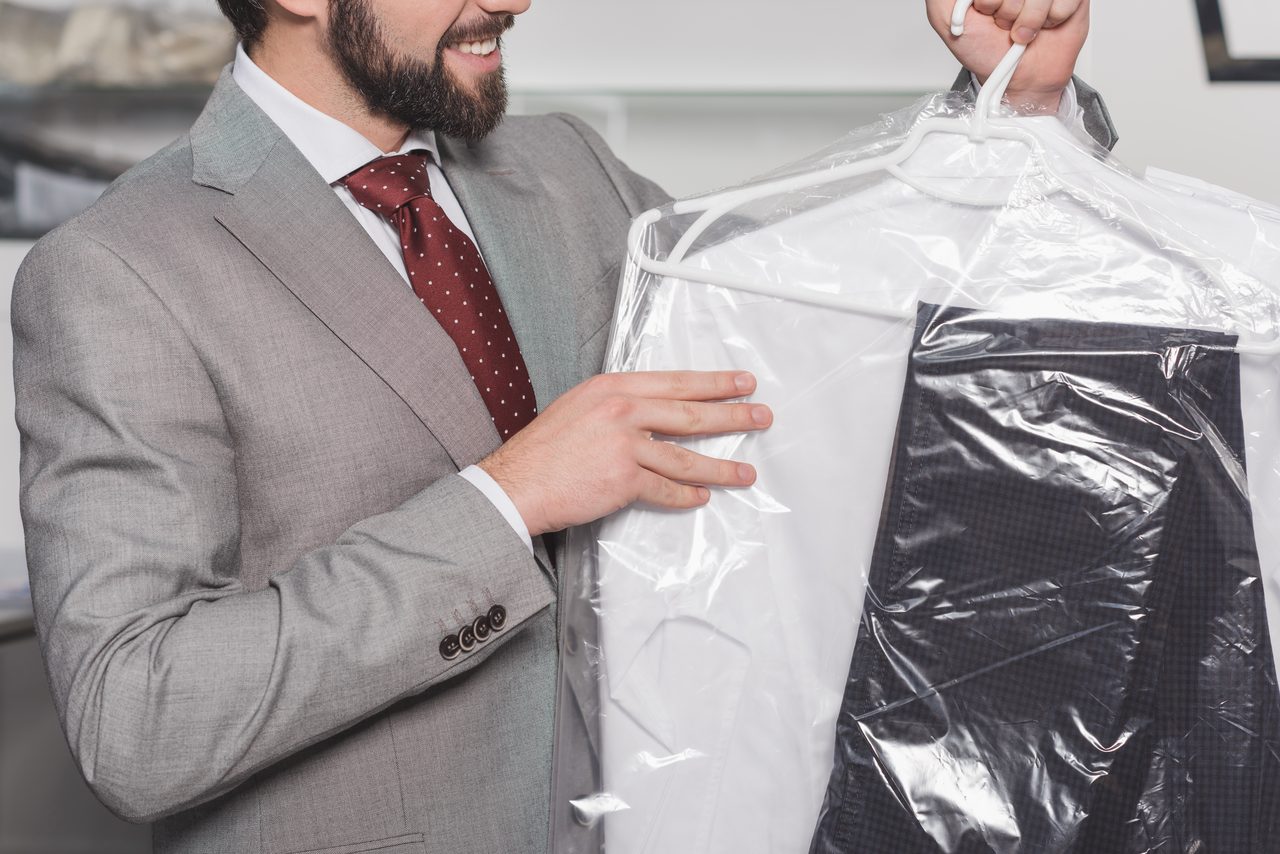
You bought a new suit. Here is how to prepare it for its first wear – without unnecessary cleaning.
Should I dry clean a new suit before wearing it? Usually, no. If your suit is new, clean and free of odours, you can typically wear it without a full dry-cleaning cycle. What it may need is professional pressing to remove shipping creases, a minor alteration, or a quick fabric-care check. Always follow the care labels on both the jacket and trousers.
The key is knowing the difference between cleaning a garment and getting it ready to wear. This guide explains when to dry clean a new suit, when steaming or pressing is enough, and how to keep your investment looking sharp.
Quick answer: What should you do with a brand-new suit?
| What you notice | Recommended first step |
|---|---|
| The suit is clean, fresh and wrinkle-free | Wear it. A first dry clean is not automatically necessary. |
| There are creases from packaging or storage | Ask about gentle, professional steaming or pressing. |
| There is a visible stain, unusual odour or heavy shop handling | Have the suit assessed; professional cleaning may be appropriate. |
| The jacket or trousers need hemming or reshaping | Arrange alterations, then have the finished suit pressed. |
Does a new suit need dry cleaning before its first wear?
A care label that says “dry clean only” tells you how to clean the garment safely when cleaning becomes necessary; it does not mean the suit must be cleaned before you wear it. A new suit often needs little more than a careful inspection and a proper press.
The recommendation changes if the suit is stained, smells noticeably of smoke or perfume, has been stored for a long time, or was purchased second-hand. In these situations, it is sensible to ask a professional to assess the fabric and construction before treatment.
Not sure what the symbols mean? The Government of Canada provides a guide to apparel and textile care symbols covering professional cleaning, ironing, steaming and “do not steam” instructions.
Dry cleaning vs. suit pressing: What is the difference?
Dry cleaning removes soil, oils and certain stains using a professional cleaning process selected for the garment. It is useful when the suit genuinely needs cleaning, but should not be treated as a routine first-wear requirement.
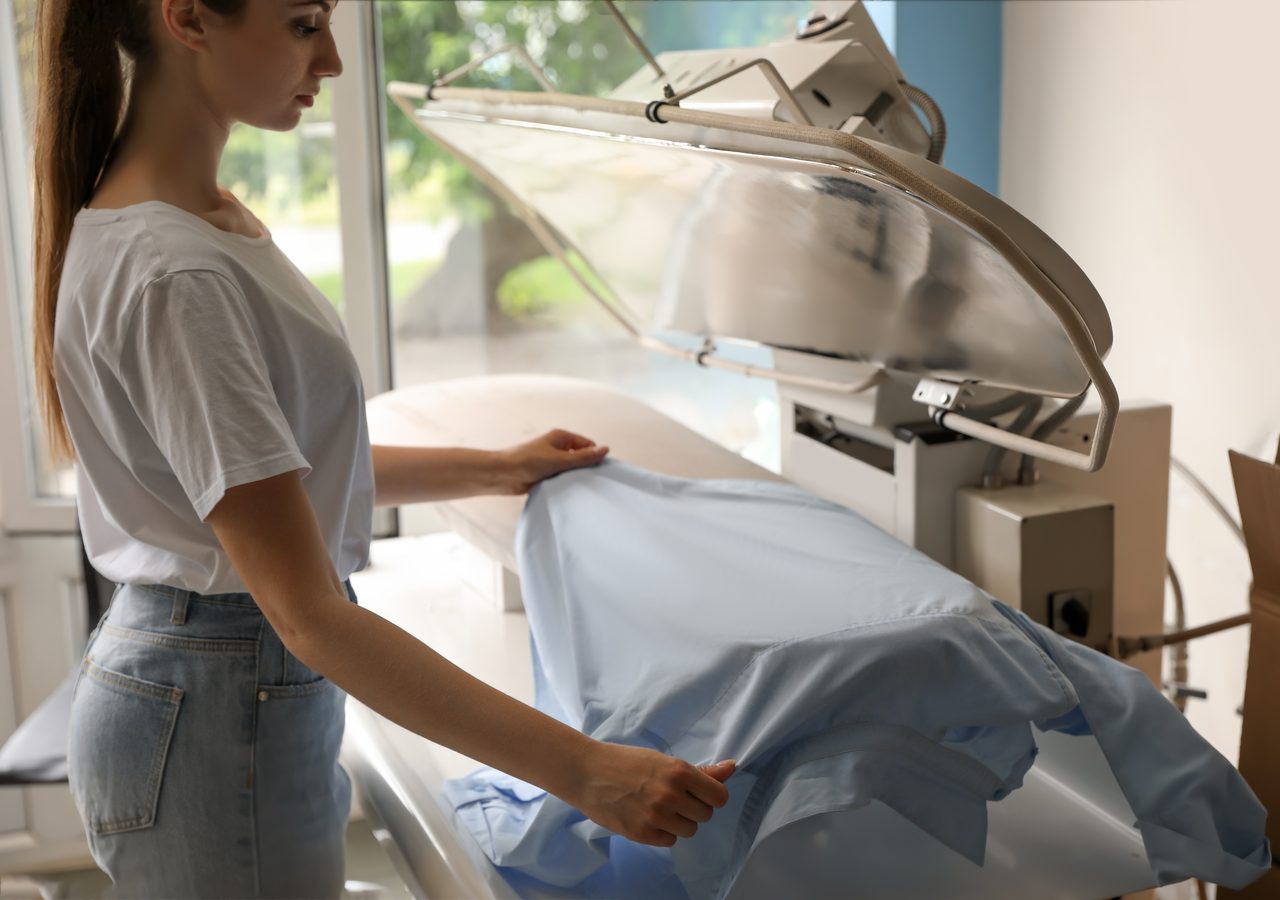
Pressing or steaming mainly improves appearance: it can release wrinkles, refine the drape and make trousers look crisp without putting the entire suit through a cleaning cycle. For a new suit with shipping creases, this is often the more targeted service. If the care label says not to steam or press, follow that restriction.
Nettoyeur Marie-Claire offers both professional dry cleaning and laundry and pressing services. Tell the team whether your garment is new and whether your goal is stain removal or simply a polished finish.
When should you dry clean a new suit?
Even before the first wear, some conditions make professional cleaning worth considering:
- Visible marks or stains. Food, makeup, dirt or body oils picked up during fittings may need specialist treatment.
- Persistent odours. An odour that does not improve with safe airing may require cleaning rather than masking it with fragrance.
- Second-hand, sample-sale or long-stored suits. A thorough inspection helps determine whether cleaning is sensible before wearing.
- Specific sensitivity or comfort concerns. If you suspect the fabric is irritating your skin, seek appropriate garment-care advice; dry cleaning is not a guaranteed way to remove every finishing treatment.
- Unclear fabric or trim. Wool, silk blends, linings, interfacings and decorative components can respond differently to cleaning, so ask before attempting anything at home.

7 expert tips for preparing and caring for a new suit
1. Read the jacket and trouser care labels
Do not assume both pieces have identical instructions. The jacket may contain shoulder padding, interfacings and lining that make it less suitable for home washing than the fabric alone would suggest. Follow the most restrictive relevant instructions, including any warnings against steaming or pressing.
2. Inspect the suit in natural light
Check the lapels, shoulders, cuffs, trouser hems and underarm areas for unexpected marks, loose threads or creases. If there is a stain, avoid rubbing or experimenting with stain removers; tell the cleaner what caused it, if known.
3. Remove only temporary retail details
Take off price tags and detachable labels. Some new jackets also have temporary stitching holding vents closed. Have a tailor remove any basting stitches you are uncertain about. Do not cut structural stitching or force open pockets without checking how the garment was made.
4. Complete alterations before the final press
Even an expensive suit can look untidy if the sleeves or trousers are too long. Arrange hemming or fit adjustments first, then finish with pressing. Nettoyeur Marie-Claire also provides tailoring and alteration services in Montréal.
5. Use gentle steaming or professional pressing for wrinkles
If the care label permits it, light steaming can release minor wrinkles. Avoid pressing a hot iron directly onto delicate wool or shiny fabric, and do not saturate a structured jacket. For stubborn creases or an important event, professional pressing is a safer option than guessing at temperature and pressure.
6. Hang and air the suit properly
Use a broad, shaped hanger that supports the jacket shoulders. Give the garment room to air after wear before storing it. For woven wool, Woolmark recommends brushing, suitable hangers and allowing a rest period between wears.
7. Brush, rotate and store with care
Gently brush away surface dust with a garment brush, especially on wool. Avoid cramming the jacket between other clothes, and use a breathable cover for longer-term storage. Rotate suits when possible so the fibres and shape can recover between wears.
How often should you dry clean a suit?
There is no universal “every four wears” rule. The right frequency depends on how often you wear the suit, the fabric, the weather and whether it has acquired visible soil or lingering odour. A lightly worn wool suit may only need airing and brushing, while a heavily worn or stained suit needs attention sooner.
Excessive cleaning is not a substitute for everyday care. Designer Paul Smith recommends brushing and airing suits between wears rather than cleaning after each use. Before putting a suit away for an extended period, address any stains and ask a cleaner whether a full cleaning is needed.
Can you wash a suit at home instead?
Only if the care instructions for the complete garment allow it. Some modern, unstructured suits are designed to be washable, but many tailored jackets contain components that can lose shape with improper washing, drying or heat. Never machine-wash a “dry clean only” structured suit on the assumption that the outer fabric alone can tolerate water.
For a broader comparison, see our article on dry cleaning vs. machine washing. When in doubt, ask a professional before attempting home stain treatment or laundering.
Suit care in Montréal: When professional help makes sense
If your new suit is creased, needs alterations or has a stain, the best first step is to identify the problem – not automatically order the most extensive treatment. Nettoyeur Marie-Claire can discuss the appropriate service, from pressing to professional dry cleaning and alterations.
Customers can visit the Marie-Claire location at 2535 rue De Salaberry or Nettoyeur Northside at 301 boul. Henri-Bourassa E in Montréal. For eligible areas across Greater Montréal, including Laval and Saint-Laurent, pickup and delivery is also available. Contact the team to confirm timing and suitability for your garment.
Frequently asked questions
Should I dry clean a new wool suit before wearing it?
Not automatically. If it is clean and fresh, check the label, brush off any surface dust and address wrinkles with suitable pressing or steaming. Seek professional cleaning for stains or persistent odours.
Should I dry clean a new suit before a wedding or interview?
If it is already clean, alterations and professional pressing may be more valuable than a full cleaning. Plan ahead so there is time to inspect the final fit before the event.
Can steaming replace dry cleaning for a suit?
Steaming can help with wrinkles, but it does not replace cleaning when the fabric is stained or soiled. Always obey “do not steam” instructions and take care with structured garments.
Will dry cleaning make a new suit last longer?
Appropriate cleaning helps remove damaging soil when needed. Unnecessary cleaning, however, offers no automatic longevity benefit. Regular brushing, airing, correct storage and prompt stain care matter just as much.
What if a new suit has an unusual smell?
If the label allows, first air the garment in a well-ventilated place away from direct heat or sun. If the smell persists, bring it in for assessment rather than spraying the fabric with perfume or home chemicals.
Make your first wear your best wear
The answer to “Should I dry clean a new suit?” is usually no – but the right finishing touches make a real difference. Start with the care label, correct the fit, treat only genuine cleaning needs, and choose professional pressing when you want a crisp, event-ready look.
Need advice about a new jacket or two-piece suit? Explore our dry-cleaning services or contact Nettoyeur Marie-Claire at 514-334-7830 to ask about cleaning, pressing and pickup options in Greater Montréal.