Evening Gown Dry Cleaning in Montreal: Expert Care for Lace, Beading & Delicate Fabrics
Evening gown dry cleaning is not a routine wash-and-press job, especially when a dress combines lace, beadwork, sequins, silk, chiffon, tulle, boning, lining, or delicate trim. A beautiful formal dress can be expensive, sentimental, and difficult to replace, which is why the safest cleaning method should be chosen for the complete garment rather than for one fabric alone. If you are looking for evening gown dry cleaning in Montreal, professional inspection is the best first step before any stain remover, water, heat, or solvent touches the dress.
At Nettoyeur Marie-Claire, formal garments are assessed according to their fabric, construction, care instructions, stains, and decorative details. The goal is not simply to make a lace evening gown look clean; it is to remove soil while protecting colour, texture, shape, seams, and embellishments so the dress is ready for its next special occasion.
| Quick answer: Lace evening gowns often benefit from professional cleaning because lace can snag, distort, lose colour, or react badly to aggressive stain removers and heat. The safest process may involve dry cleaning, professional wet cleaning, hand treatment, or a combination of methods depending on the care label and the way the gown is constructed. |
Why Lace Evening Gowns Need More Than Ordinary Cleaning
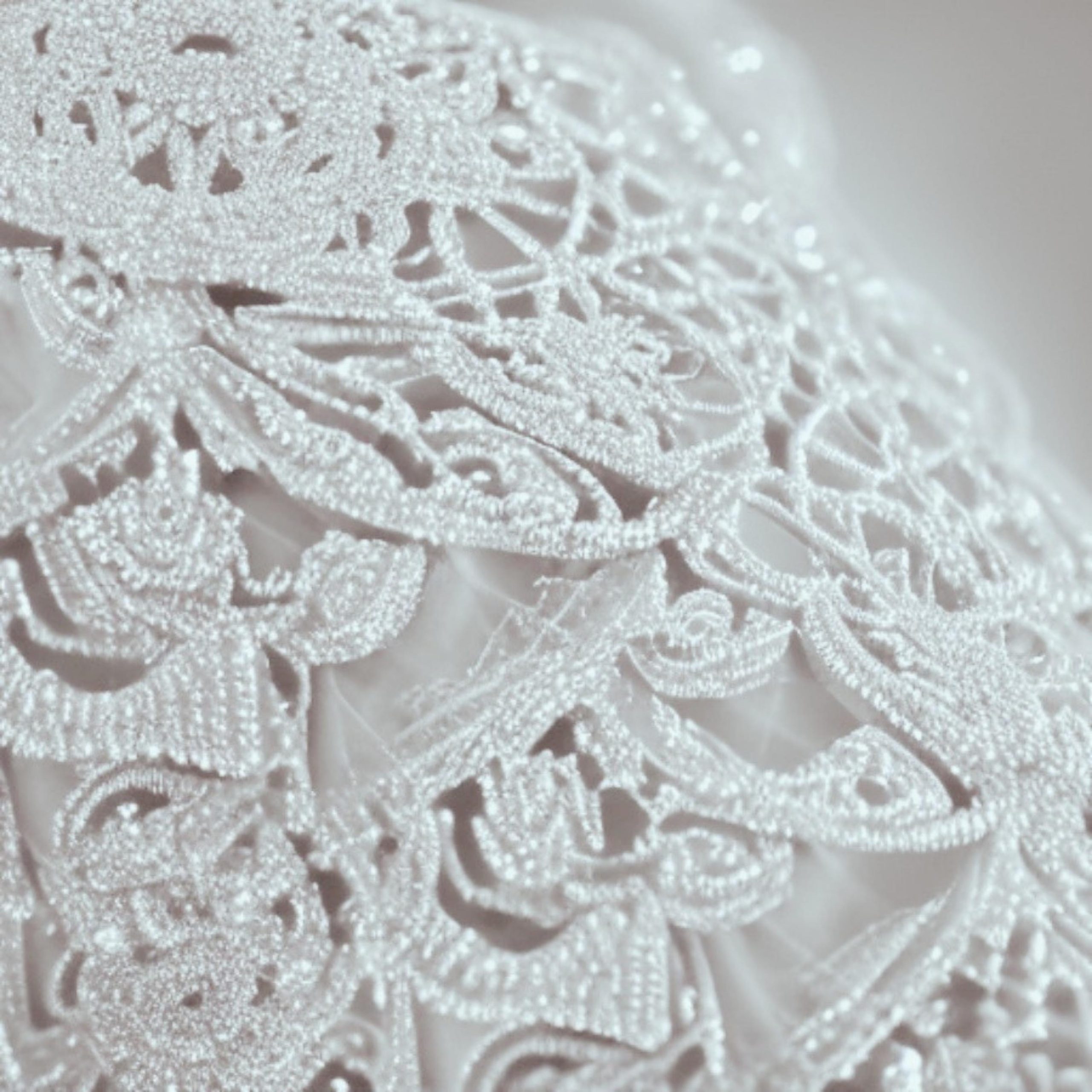
Lace looks light and delicate, but a formal gown is usually more complex than the lace you see on the surface. The lace may be an overlay attached to satin, silk, polyester, rayon, or a structured lining. Appliques may be stitched or bonded. Beads and sequins may be sewn, glued, painted, coated, or attached with fragile thread. These materials do not always react to moisture, heat, mechanical action, or cleaning chemistry in the same way.
That is why professional gown cleaning starts with the entire garment. A cleaner must consider the fibre content, dyes, trim, lining, hem, closures, boning, shoulder structure, adhesives, and embellishments before selecting a process. A method that is suitable for the lace itself may not be suitable for a decorative bead, a metallic finish, or a bonded applique.
The most common risks with lace and formalwear
- Snags or pulls in open lace patterns and fine threads.
- Colour loss, dye transfer, or uneven fading after unsuitable spot treatment.
- Stretching, shrinkage, puckering, or distortion from water, agitation, or heat.
- Loose beads, sequins, crystals, embroidery, or decorative trim.
- Water rings or visible tide marks on silk, satin, and other sensitive fabrics.
- Stains that look minor at first but darken or oxidize during storage.
- Crushed pleats, flattened lace, or lost shape after incorrect pressing.
How Professional Evening Gown Dry Cleaning Works
A quality evening gown dry cleaning process is selective rather than automatic. The exact steps change from one garment to another, but the following workflow is a practical model for delicate formalwear.
1. Detailed garment inspection 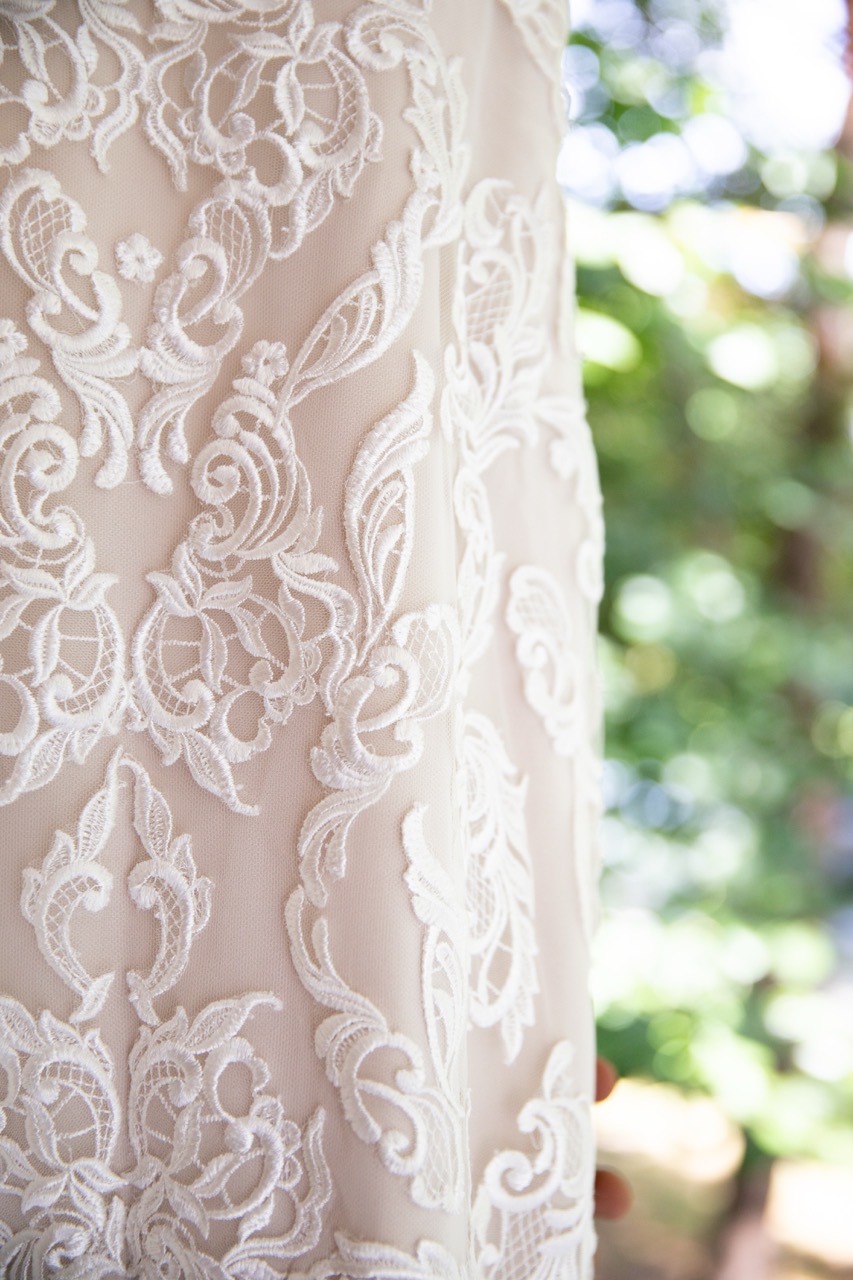
The gown is examined before cleaning. The cleaner looks for stains, weak seams, loose threads, damaged lace, missing or unstable embellishments, colour differences, and areas of wear. Pockets, trims, fasteners, and decorative pieces are also checked. This inspection helps prevent a small issue from becoming a larger one during cleaning.
2. Care-label and construction review
The care label is an important starting point because it provides the manufacturer’s recommended limits for washing, bleaching, drying, ironing, and professional textile care. However, formal gowns frequently combine several materials, so the cleaner also considers how the dress is assembled. A “dry clean” instruction does not mean every stain remover, solvent, temperature, or finishing method is automatically safe for every decorative detail.
3. Stain identification and targeted pre-treatment
Makeup, lipstick, foundation, wine, food, body oils, perspiration, perfume residue, and dirt around the hem can require different stain-removal approaches. The cleaner treats stains according to their likely composition and the fabric beneath them. This targeted work is one of the biggest differences between professional gown cleaning and experimenting with a household stain product at home.
4. Protection of lace, beads and embellishments
Delicate details may need reduced mechanical action or extra protection before the main cleaning step. The approach depends on whether the embellishments are stitched, glued, coated, metallic, plastic, glass, or mixed with other materials. When a gown has fragile trim, the cleaning method should be adapted to the trim rather than forcing the entire garment through a standard process.
5. Cleaning method selected for the garment
Professional dry cleaning uses liquid solvent rather than a conventional water wash, but dry cleaning is not the only professional option. Some garments may be better suited to a controlled professional wet-cleaning process, hand treatment, or another gentle method. The correct choice depends on the care label, fibre content, dyes, construction, stains, and embellishments. This is why “all lace should be dry cleaned” is too broad a rule.
6. Careful drying, steaming and finishing
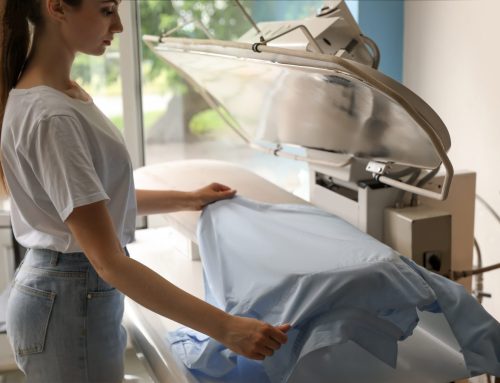
Once the gown is clean, finishing matters almost as much as stain removal. Lace can be flattened or distorted by too much pressure. Structured dresses may need controlled steaming and hand finishing so the skirt, lining, pleats, seams, and decorative layers return to their intended shape. The objective is a polished gown without scorching, shine, crushed texture, or stretched lace.
7. Final quality inspection
After cleaning and finishing, the dress should be inspected again for remaining stains, loose details, pressing quality, and overall appearance. At Nettoyeur Marie-Claire, the published dry-cleaning process includes inspection, stain pre-treatment, a method selected according to the garment composition, cleaning, verification, and finishing. The company also states that garments are cleaned and cared for on premise.
Dry Cleaning, Wet Cleaning or Hand Treatment: Which Is Best for Lace?
There is no single best cleaning method for every lace gown. The safest answer is the method that matches the specific dress. The Government of Canada’s apparel and textile care-symbol guide explains that care symbols cover washing, bleaching, drying, ironing or pressing, and professional textile care. Professional cleaning symbols can also indicate restrictions on the process.
For a simple lace dress with a stable synthetic lining, one professional method may be appropriate. For a couture gown with silk, boning, glued crystals, metallic embroidery, and a lace overlay, the cleaner may need a much more conservative approach. The key is controlled treatment based on the complete garment.
Common Evening-Gown Stains and What to Do Before Cleaning
What you do immediately after a spill can affect the final result. The safest response is usually to avoid aggressive home treatment, identify the stain if possible, and bring the gown to a professional cleaner promptly.
| Stain | Best immediate action | Avoid |
| Red wine / cocktails | Blot gently with a clean white cloth; do not rub. | Heat, bleach, aggressive stain remover. |
| Makeup / foundation | Avoid rubbing it deeper into lace or lining; identify the product if possible. | Water scrubbing that spreads pigment or oils. |
| Lipstick / oily cosmetics | Leave targeted removal to a professional when the fabric is delicate. | Repeated wiping, hot water, or household degreasers. |
| Perspiration / body oils | Mention underarm, neckline, and bodice areas even if the marks are faint. | Long storage before cleaning. |
| Food / grease | Remove only loose solids carefully and tell the cleaner what was spilled. | Rubbing, heat, or unknown spot cleaners. |
| Mud / hem soil | Let loose mud dry if necessary and avoid grinding it into the fibres. | Hard brushing on fine lace or tulle. |
Avoid scrubbing lace, using bleach, applying heat, or repeatedly wetting a stain. Do not assume a clear household product is harmless: some stain removers can alter dye, dissolve finishes, weaken fibres, or leave a ring that is harder to correct than the original stain.
Can You Clean a Lace Evening Dress at Home?
Some lace garments are washable, but a lace evening gown should not be treated like ordinary laundry simply because the fabric feels light. Always check the care label first. If the dress is structured, lined, embellished, expensive, vintage, strongly dyed, or labelled for professional care, home washing can create more risk than savings.
A washing machine can stretch open lace, catch threads, damage trim, and distort a multi-layered dress. Hand washing can also cause dye movement, water marks, shrinkage, or loss of shape if the fabric and construction are not compatible with water. Home stain removers add another variable because the lace, lining, and embellishments may react differently.
If a gown is washable according to its care instructions and has no fragile construction, follow the label carefully. If there is any uncertainty, professional lace dress cleaning is the safer option before experimenting on a garment you care about.
How Soon Should an Evening Gown Be Professionally Cleaned?
You do not need to clean a formal dress after every brief wear if it is genuinely clean and the care requirements say otherwise, but visible stains, perspiration, body oils, food, cosmetics, or odours should not be left untreated for long periods. Some residues become more difficult to remove as they age, and invisible spills can yellow or darken during storage.
After a wedding, gala, prom, holiday party, graduation, or black-tie event, inspect the neckline, underarms, bodice, cuffs, and hem under good light. If you see a stain or know something was spilled, tell the cleaner what it was and approximately when it happened. Accurate information can help the cleaner select the right stain treatment.
How to Store a Lace Evening Gown After Professional Cleaning
Good storage helps protect the work done during professional gown cleaning. The exact method depends on the weight and structure of the dress, but the following principles are useful for many formal garments.
- Store the gown only when it is clean and completely dry.
- Keep it in a cool, dry, dark area away from direct sunlight and major temperature swings.
- Use a breathable garment cover when hanging is appropriate; avoid long-term storage in thin disposable dry-cleaning plastic.
- Use a padded or properly shaped hanger for garments that can safely support their own weight.
- For heavy gowns, beaded dresses, or pieces that may stretch, ask whether folded storage is safer.
- Do not place heavy items on top of lace, appliques, bows, or dimensional embellishments.
- Check stored formalwear occasionally for moisture, pests, yellowing, or stress on the fabric.
Why Choose Nettoyeur Marie-Claire for Evening Gown Dry Cleaning in Montreal?
When a dress has delicate lace or expensive embellishments, the choice of cleaner matters. Nettoyeur Marie-Claire has served Montreal for more than 40 years and provides professional dry cleaning for delicate and special garments. The company’s dry-cleaning service emphasizes inspection, fabric-specific care, stain treatment, on-premise handling, finishing, and final verification.
Customers can visit the Nouveau-Bordeaux or Ahuntsic-Cartierville locations in Montreal. Pickup and delivery service is also available, making professional evening dress cleaning more convenient across the Montreal area.
If your gown includes lace, silk, chiffon, satin, tulle, beadwork, sequins, embroidery, or mixed materials, bring it in for an assessment before trying to remove a stain at home. You can also point out any spills, previous stain-removal attempts, loose beads, weak seams, or areas you are especially concerned about.
Frequently Asked Questions About Lace and Evening Gown Cleaning
Is dry cleaning safe for lace evening gowns?
It can be, but the correct professional process depends on the complete garment. The cleaner should consider the lace, lining, dyes, construction, care label, stains, and embellishments before choosing dry cleaning, professional wet cleaning, hand treatment, or another method.
Can a dry cleaner remove red wine, makeup or lipstick from a formal dress?
Professional cleaners can treat many common formalwear stains, but no stain-removal result can be guaranteed in every fabric. The chance of success depends on the stain, how long it has been present, previous treatment attempts, the dye, and the fabric. Tell the cleaner what caused the stain whenever possible.
Can beaded or sequined gowns be professionally cleaned?
Often yes, but beads, sequins, crystals, coatings, adhesives, and stitching need to be inspected first. Some decorative materials can loosen, change colour, or react to heat or solvent, so embellished gowns may require a more controlled process.
How often should I dry clean an evening gown?
Clean it when the care label and condition of the garment call for it. After an event, inspect for stains, perspiration, body oils, odours, and dirt at the hem. If the gown is soiled, professional cleaning before long-term storage is usually better than allowing residues to age in the fabric.
Should I steam a lace dress at home?
Check the care label first. Steam and heat can affect some fibres, finishes, adhesives, sequins, and decorative coatings. If the dress is valuable, heavily embellished, or difficult to identify, professional finishing is the safer choice.
Where can I get evening gown dry cleaning in Montreal?
Nettoyeur Marie-Claire provides professional dry cleaning in Montreal with locations in Nouveau-Bordeaux and Ahuntsic-Cartierville, plus pickup and delivery service. For delicate lace or embellished formalwear, contact the team first if you want to discuss a specific stain, fabric, or decorative detail.
Protect Your Lace Gown Before the Next Special Occasion
The best evening gown dry cleaning is not about using the strongest process. It is about choosing the safest effective process for the dress in front of you. Careful inspection, stain-specific treatment, appropriate cleaning, controlled finishing, and proper storage can help preserve the colour, drape, lacework, and details that make a formal gown special.
For professional evening gown dry cleaning in Montreal, contact Nettoyeur Marie-Claire at 514-334-7830, visit one of the Montreal locations, or schedule pickup and delivery. Bring the gown in as soon as practical after a spill and point out any stains or fragile areas so the team can assess the garment before cleaning.