What clothes should be dry cleaned? Start with the care label, but do not stop there. The fabric is only one part of the decision. A garment’s dyes, lining, shoulder structure, pleats, embellishments, interfacing and trims can also determine whether it will safely tolerate water, detergent, heat and movement.
As a general rule, get professional advice before washing anything labelled “dry clean only,” anything highly structured or embellished, and anything valuable or difficult to replace.
The Government of Canada apparel and textile care-symbol guide identifies five basic care-symbol categories: washing, bleaching, drying, ironing and professional cleaning. When care instructions are provided, they are your first reference point for choosing a safe cleaning method.
Quick answer: What clothes should be dry cleaned?
| Item | Why professional care may be safer |
| Suits, blazers and tailored trousers | Linings, shoulder pads and internal structure can become distorted. |
| Silk and colour-sensitive garments | Water may cause fading, dye transfer, shrinkage or texture changes. |
| Dry-clean-only wool and cashmere | Heat and agitation may affect size, shape and surface texture. |
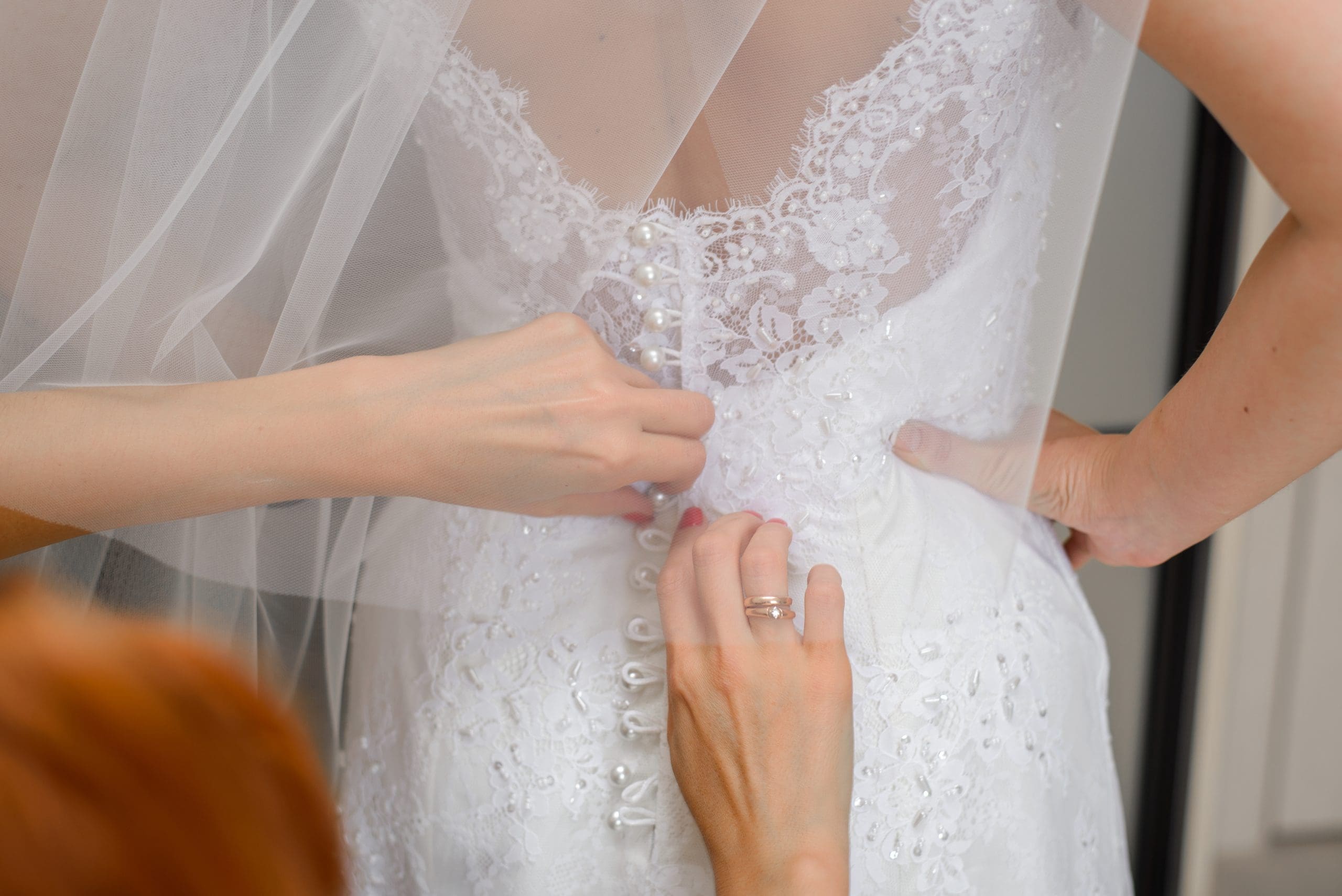
| Wedding dresses and formalwear | Lace, pleats, beads and sequins require individual assessment. |
| Winter coats and luxury outerwear | Shells, insulation, trims and linings may need different treatments. |
| Velvet, rayon, viscose and structured linen | These materials may lose texture, drape or shape when washed incorrectly. |
| Designer, vintage and mixed-material clothing | Age, adhesives, trims, dyes and construction create additional risks. |
The words “may” and “assessment” are important. Not every wool sweater, silk item or linen garment automatically needs dry cleaning. The care label and complete garment construction should guide the decision.
How to decide what clothes should be dry cleaned
Ask these questions before placing a garment in your washing machine:
- Does the label say “dry clean only”?
- Is the garment lined, tailored or heavily structured?
- Does it have pleats, beading, sequins, lace or glued decorations?
- Are dark and light colours combined in the same garment?
- Is the fabric silk, velvet, rayon, viscose, cashmere or fine wool?
- Does it contain several different materials?
- Is the garment expensive, sentimental, vintage or difficult to replace?
- Is there an unidentified or older stain?
One “yes” does not always mean the item must be dry cleaned. Several “yes” answers, however, are a strong reason to request a professional inspection before trying a home-cleaning method.
1. Suits, blazers and other structured clothing
A suit is more than its visible outer fabric. A blazer may also contain shoulder padding, canvassing or fused interfacing, a lining, reinforced lapels and carefully pressed seams. Water, heat and mechanical agitation can affect these components differently, potentially changing the garment’s shape.
Tailored trousers, structured skirts, tuxedos and formal jackets deserve similar attention. Even when the outer fabric looks washable, the hidden construction may not be.
Bring all matching pieces of a suit or coordinated outfit together. Professional garment-care guidance recommends cleaning coordinated pieces at the same time to reduce the possibility of uneven colour changes.
| EXPERT TIP: Between cleanings, brush off surface dust, empty the pockets, allow the suit to air out and use a supportive hanger. Do not press a stained area with a hot iron. |
2. Silk and dark or colour-sensitive garments
Silk is lightweight and luxurious, but it can be sensitive to moisture, friction, light and household products. Home washing can sometimes produce shrinkage, fading, bleeding dyes, loss of shape or a rougher texture. Dark silk and garments combining contrasting colours can be especially vulnerable.
The Drycleaning & Laundry Institute’s silk-care guidance advises that silk generally responds best to professional cleaning. It also recommends blotting rather than rubbing a fresh spill, avoiding heat and bringing the garment to a cleaner promptly. Rubbing wet silk may create lightened or chafed areas that cannot be corrected.
Perfume, deodorant, hand sanitizer and skin-care products can also affect some silk dyes. Allow these products to dry before dressing, and tell the cleaner about spills even when no mark is immediately visible.
3. Wool, cashmere and fine knitwear
Not every wool or cashmere item must be dry cleaned. Some sweaters are designed for hand washing, while others can tolerate a delicate machine cycle. The care label should decide the starting method.
When hand washing is permitted, use cool water and avoid wringing or twisting. Lay the item flat to dry, away from direct heat. Garments labelled “dry clean only,” structured wool jackets and items with difficult stains should be taken to a professional.
The Drycleaning & Laundry Institute wool-care guide distinguishes between washable wool and dry-clean-only wool, recommending that consumers follow the stated care method rather than assuming every wool item should receive identical treatment.
| EXPERT TIP: A washable, unlined wool sweater and a wool suit jacket can require completely different care even though their fibre labels both say “wool.” |
4. Wedding dresses, evening wear and embellished garments
Formalwear often combines multiple materials and construction methods in a single piece. A dress may include a delicate outer fabric, synthetic lining, lace panels, beadwork, sequins, boning, adhesive-backed decorations and permanent pleats.
These elements may react differently to water, solvents, heat and mechanical movement. A professional should inspect:
- The base fabric
- Colourfastness
- Trim and embellishment attachment
- Glues or adhesives
- Pleats and pressed details
- Lining and internal support
- Existing stains or discolouration
Ask what cleaning and storage services are actually available before leaving a wedding gown. Do not assume every dry cleaner offers archival wedding-gown preservation simply because it offers ordinary garment cleaning.
5. Winter coats and luxury outerwear
Montreal outerwear faces snow, slush, street soil, body oils and seasonal storage. A winter coat may combine a water-resistant shell, down or synthetic insulation, knit cuffs, leather trim, faux fur, metal hardware and a separate lining.
That mix makes the label especially important. The safest process for the outer shell may not be the safest process for the insulation or trim.
Before cleaning a coat:
- Empty every pocket.
- Remove detachable accessories when the label instructs you to do so.
- Point out salt marks, food spills and makeup around the collar.
- Check whether the cleaner handles special trims or sends them to a specialist.
- Clean the coat before long-term seasonal storage.
Garments should generally be cleaned before storage because old stains and soils can cause discolouration, attract insects or contribute to fabric damage. See the Drycleaning & Laundry Institute care tips for additional storage guidance.
 6. Velvet, rayon, viscose and structured linen
These materials are not automatically “dry clean only,” but they can be less predictable than everyday cotton or polyester.
Velvet’s raised surface can become flattened or marked. Rayon and viscose may weaken, distort or change drape when wet. Linen itself may be washable, but a structured linen blazer or dress may contain a lining and internal components that make professional care safer.
Look at the entire garment rather than making the decision from the fibre name alone. A professional cleaner assesses fibre content, fabric construction, colourfastness, trims, interfacings and linings before deciding whether dry cleaning or professional wet cleaning is appropriate. The Drycleaning & Laundry Institute’s common questions guide provides further background on professional cleaning decisions.
7. Designer, vintage and mixed-material garments
High-value and vintage pieces deserve an individual inspection. Age can weaken fibres, while older dyes, decorative coatings and adhesives may behave unpredictably.
Mixed-material garments can also create conflicting care requirements. A dress might combine silk, acetate lining, metallic thread and glued stones. A jacket might include wool, leather trim and synthetic padding.
Tell the cleaner anything you know about:
- The garment’s age
- Previous alterations or repairs
- Earlier stain treatments
- Missing or unreadable labels
- Fragile buttons or decorations
- Sentimental or replacement value
Leather, suede and fur require special procedures and should not be treated as standard dry-cleaning loads. Confirm that the cleaner or its specialist partner is equipped for the material before leaving it.
What usually does not need dry cleaning?
Many everyday clothes are intended for home laundering, provided the care label permits it. Examples commonly include:
- Cotton T-shirts and underwear
- Jeans and casual denim
- Machine-washable polyester clothing
- Most washable activewear
- Unlined casual shirts
- Washable sweaters and knitwear
- Everyday socks and sleepwear
Separate colours, use the recommended temperature and cycle, and avoid high dryer heat when the label calls for air drying or low heat.
A professional service may still be useful when an otherwise washable item has a difficult stain, requires pressing or contains construction details that make home care risky.
What to do when a dry-clean-only garment gets stained
Do not immediately scrub the spot or apply a random stain-removal product. That can spread the stain, remove colour or alter the texture.
Instead:
- Blot excess liquid gently with a clean, absorbent cloth.
- Do not rub delicate fabric.
- Do not iron or apply dryer heat.
- Note what caused the stain.
- Bring the garment in promptly.
- Point out the location, even when the mark has dried invisibly.
Heat can set stains, while older stains are generally harder to remove. Knowing whether a spot came from oil, wine, coffee, cosmetics or another substance helps the cleaner choose an appropriate treatment.
How to prepare clothes for the dry cleaner
A few simple steps make professional care more effective:
- Check and empty every pocket.
- Point out loose buttons, damaged zippers and open seams.
- Identify every known stain and its cause.
- Bring belts, detachable decorations and matching pieces when appropriate.
- Bring all pieces of a coordinated suit together.
- Discuss especially valuable or fragile items before processing.
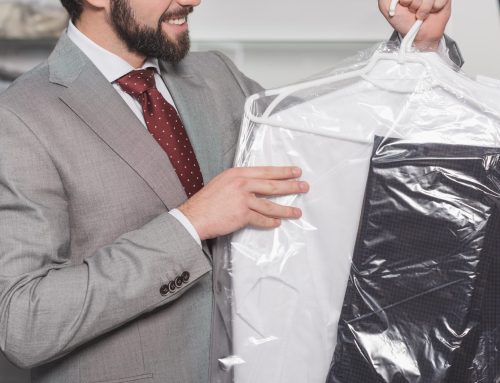
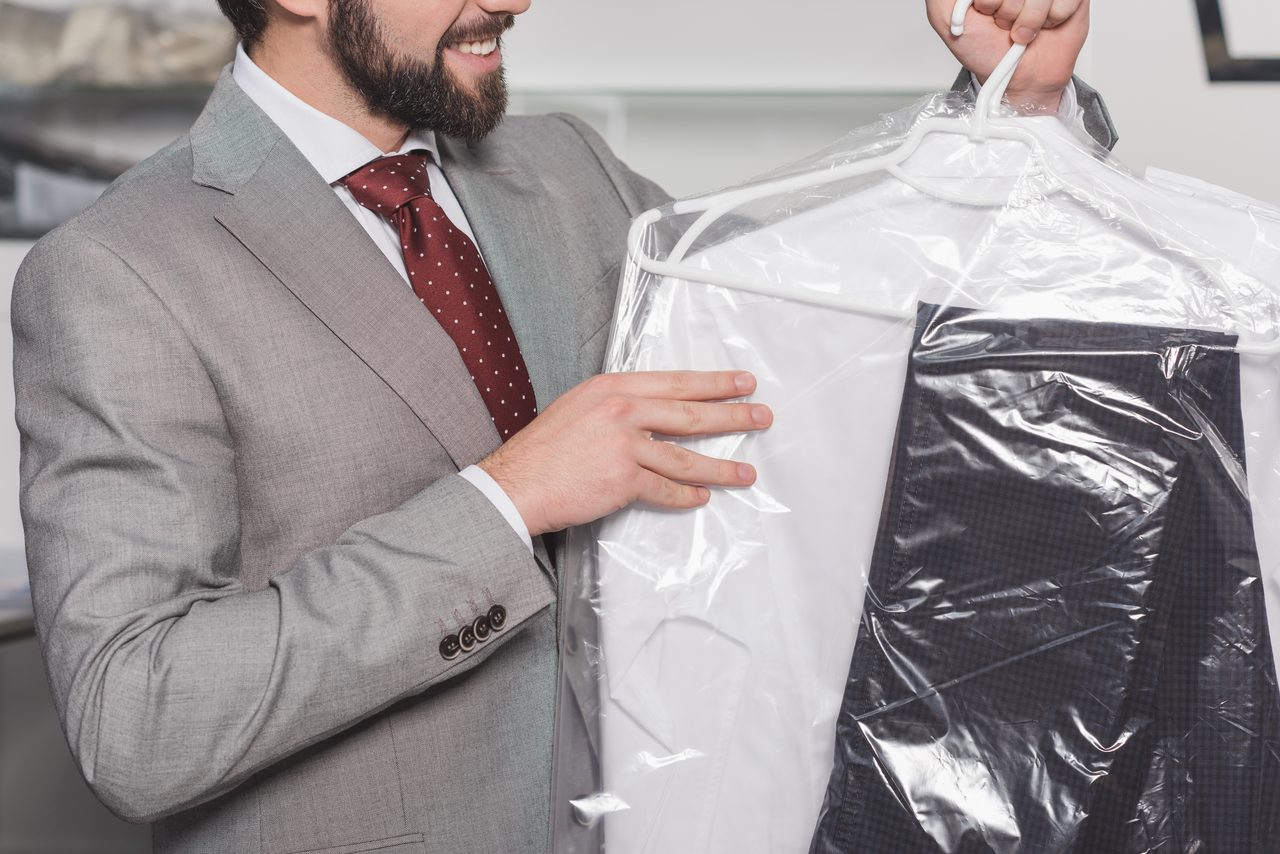
- Remove temporary cleaner plastic before long-term home storage.
- Store finished garments in a breathable fabric garment bag.
Cleaner plastic is intended to protect clothing during transport. Breathable storage is more suitable once the garment is home.
Professional garment care in Montreal
Nettoyeur Marie-Claire is a family-owned business that has served Montreal since 1979. The company currently lists two locations, on-premise garment cleaning and complimentary pickup and delivery for qualifying orders over $40. Its pickup area includes Montreal, Laval, Ahuntsic, Saint-Laurent, downtown, TMR and the West Island.
Not sure whether an item should be washed or professionally cleaned? Bring the garment to the Salaberry or Henri-Bourassa location for an assessment, or arrange pickup and delivery across Greater Montreal.
|
READY FOR PROFESSIONAL GARMENT CARE? Primary CTA: Schedule a Pickup | Secondary CTA: Find a Location |
Frequently asked questions
Does “dry clean only” really mean I cannot wash the garment?
Treat “dry clean only” as the manufacturer’s safe-care instruction and do not experiment with an important garment at home. A professional may sometimes determine that another process is safe after evaluating the fibre, dyes, construction, trims, interfacing and lining, but that decision should follow an inspection.
How often should a suit be dry cleaned?
There is no universal schedule for every suit. Frequency depends on how often it is worn, perspiration, visible soil, stains, odour, fabric and storage. Address spills promptly, air and brush the suit between wearings, and clean it before extended storage.
Can a dry cleaner remove every stain?
No cleaner can responsibly guarantee removal of every stain. Results depend on the substance, fabric, dye stability, previous home treatments and how long the stain has remained. Identifying the stain and bringing it in promptly improves the cleaner’s ability to select an appropriate treatment.
Does cashmere always need dry cleaning?
No. Follow the garment label. Some cashmere is designed for careful hand washing, while structured, colour-sensitive or dry-clean-only cashmere should receive professional care.
What clothes should never be dry cleaned?
Do not dry clean a garment when its label contains the crossed-out professional-cleaning symbol or specifically says not to dry clean. Some coated fabrics, decorative materials and specialty items require alternative procedures. Ask a professional when the instructions are unclear.
Is dry-cleaning pickup and delivery available in Montreal?
Nettoyeur Marie-Claire currently offers pickup and delivery throughout several Greater Montreal areas, with complimentary service listed for orders over $40. Confirm current coverage and order requirements when scheduling.
The final decision
When deciding what clothes should be dry cleaned, consider the label, fabric and construction together. Suits, silk, structured wool, embellished formalwear, winter coats and mixed-material garments often benefit from professional assessment, while ordinary washable clothing can usually be cared for at home.
| KEY TAKEAWAY: The most expensive garment-care mistake is not choosing dry cleaning or washing. It is choosing a process without first understanding the garment. |